
Select substrate first, then select injection moulding, extrusion or spinning direction
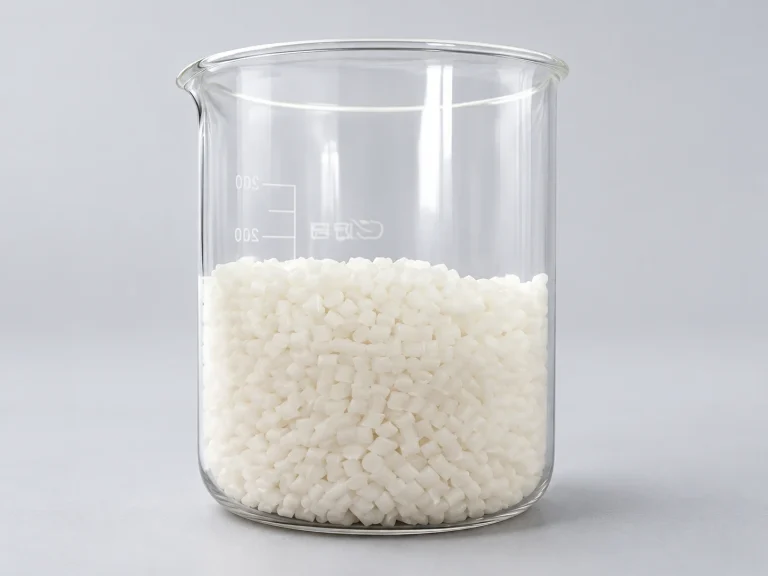
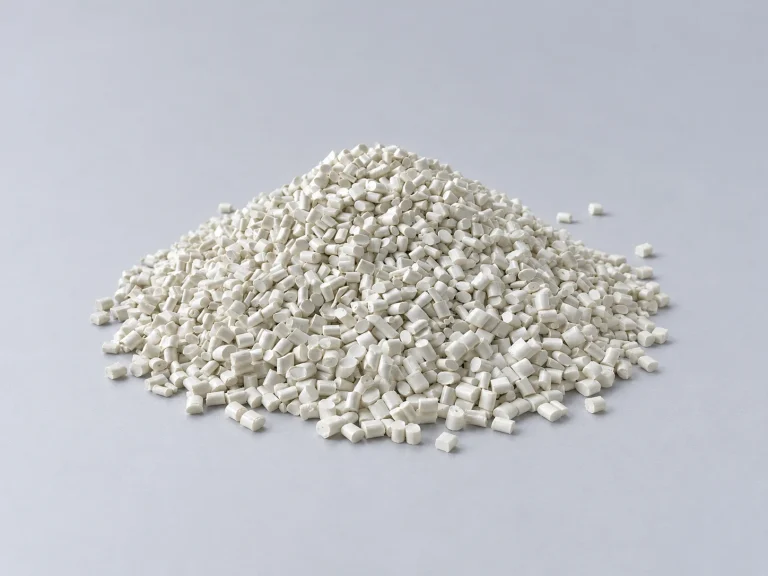
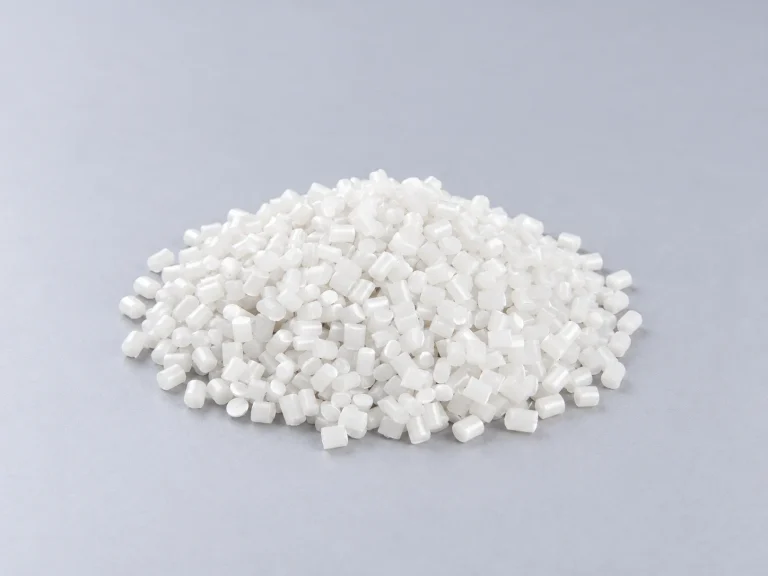
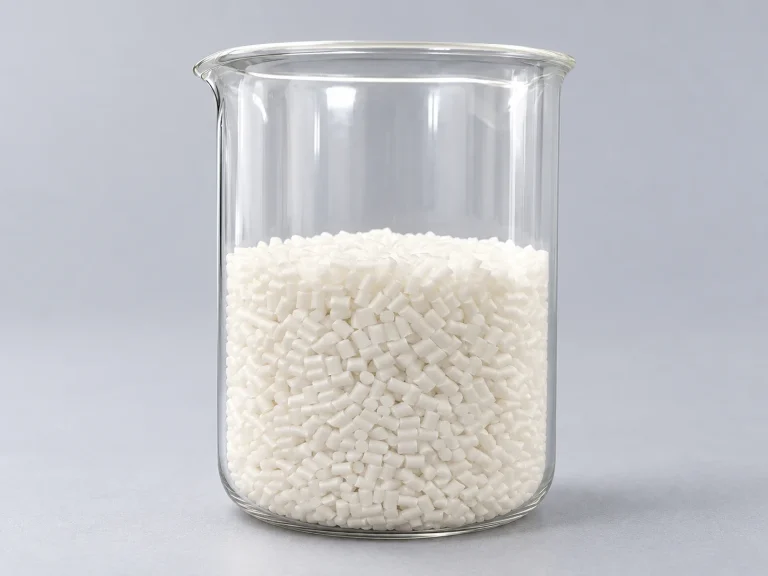
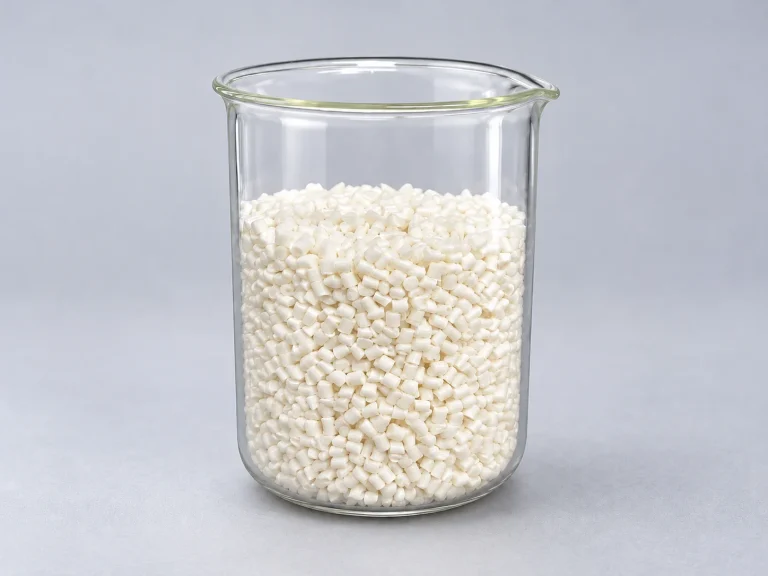
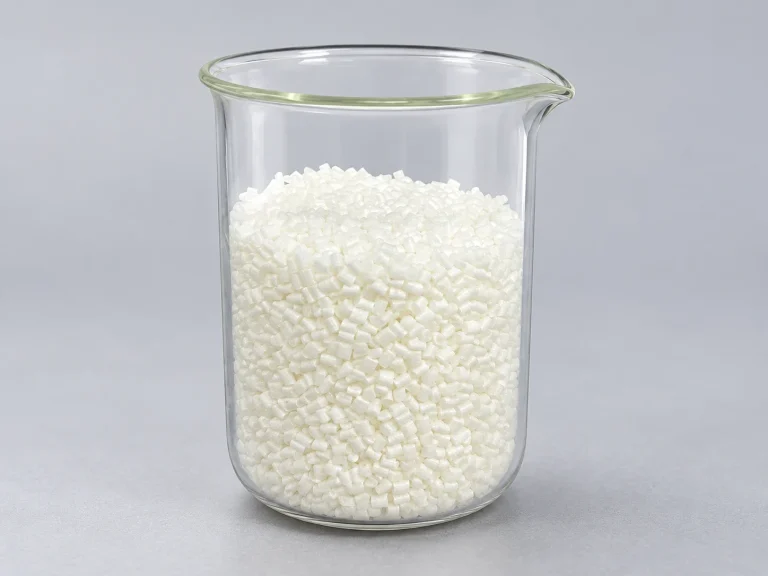
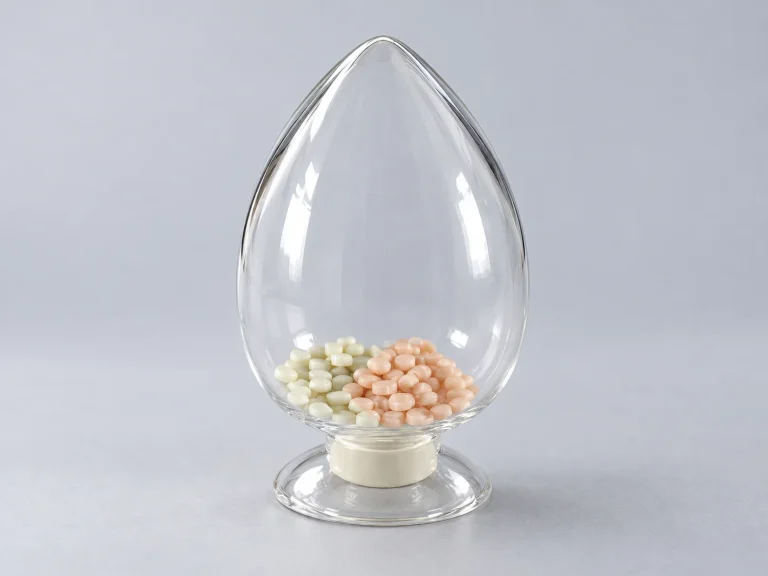
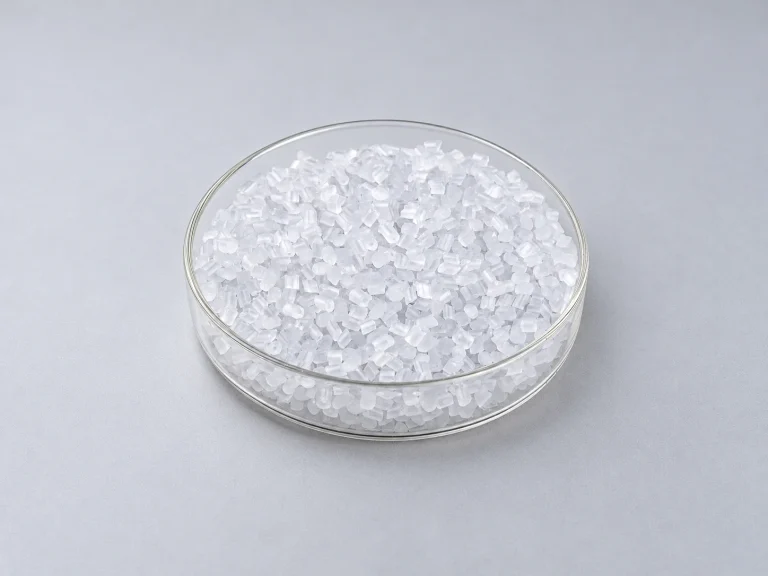
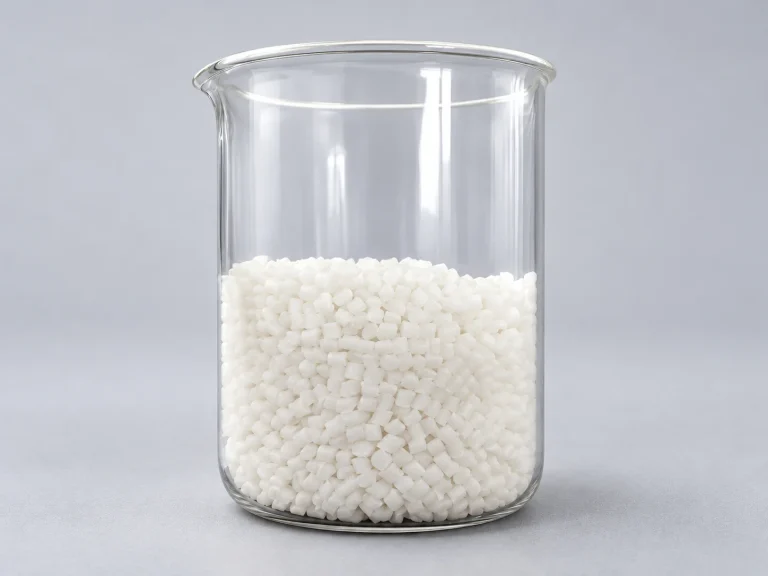
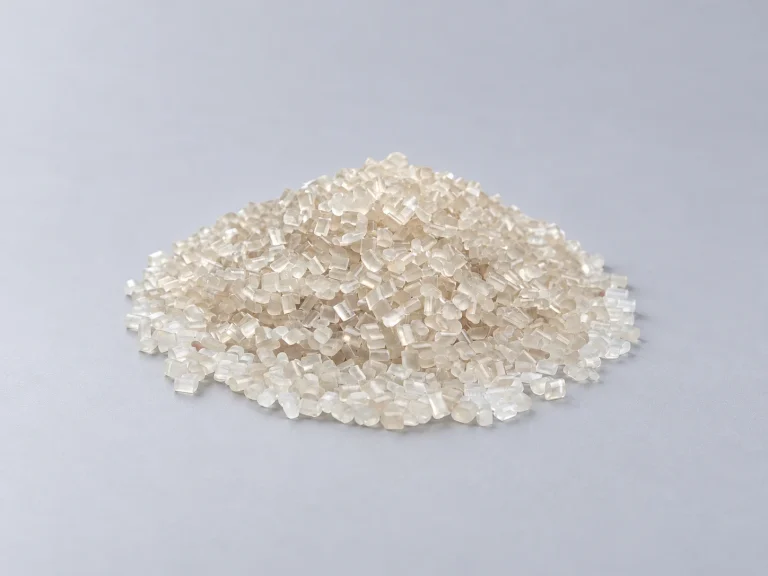
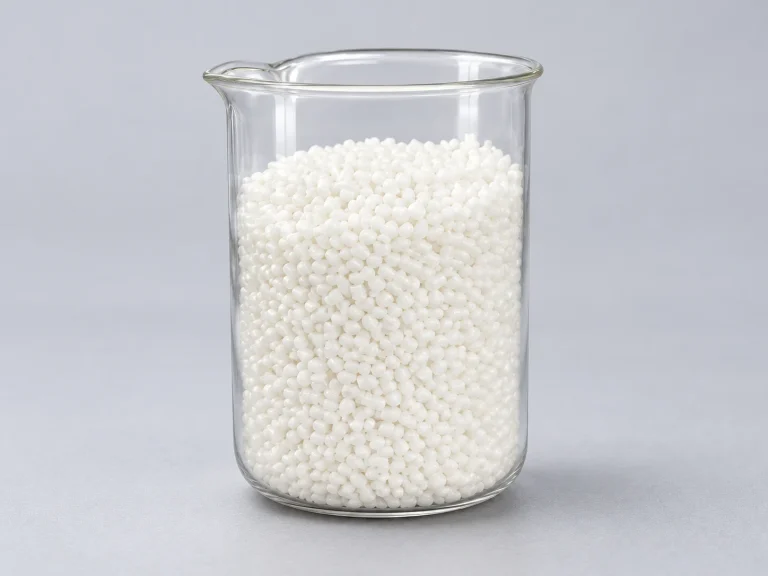
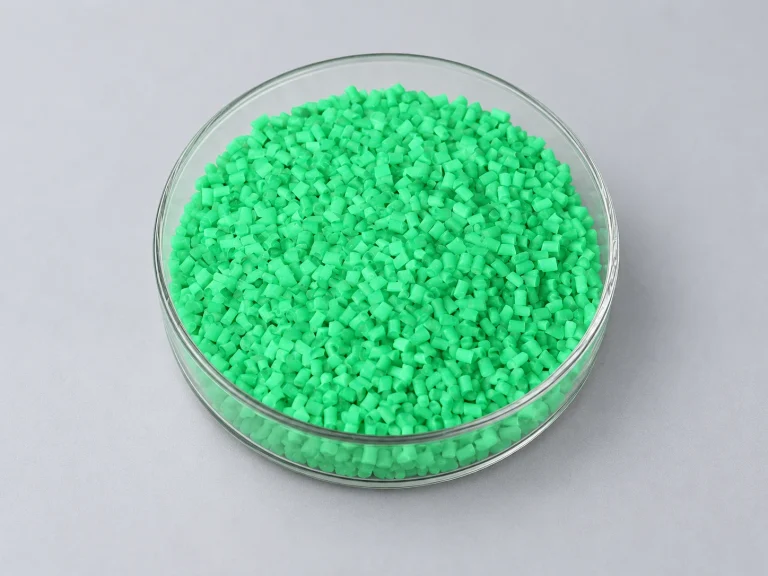
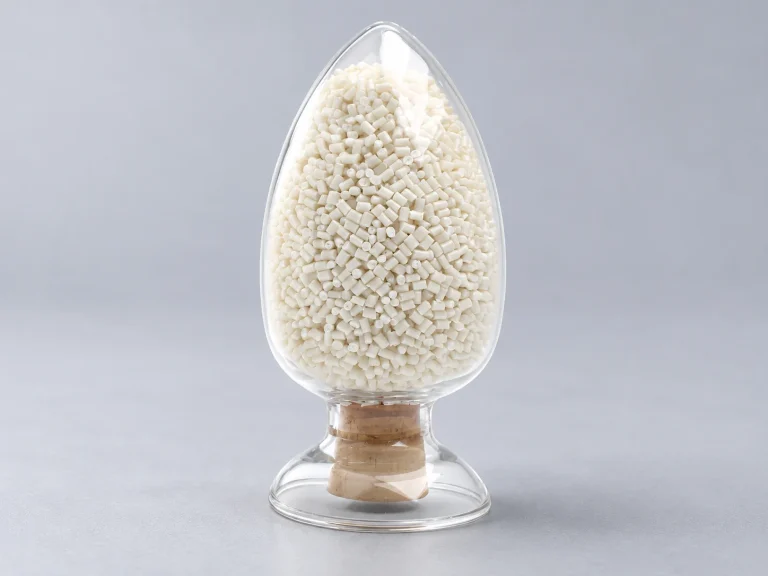
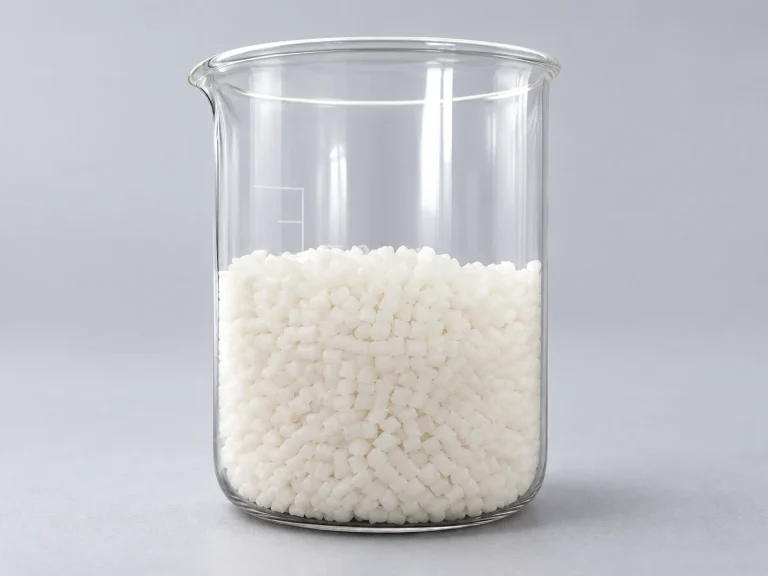
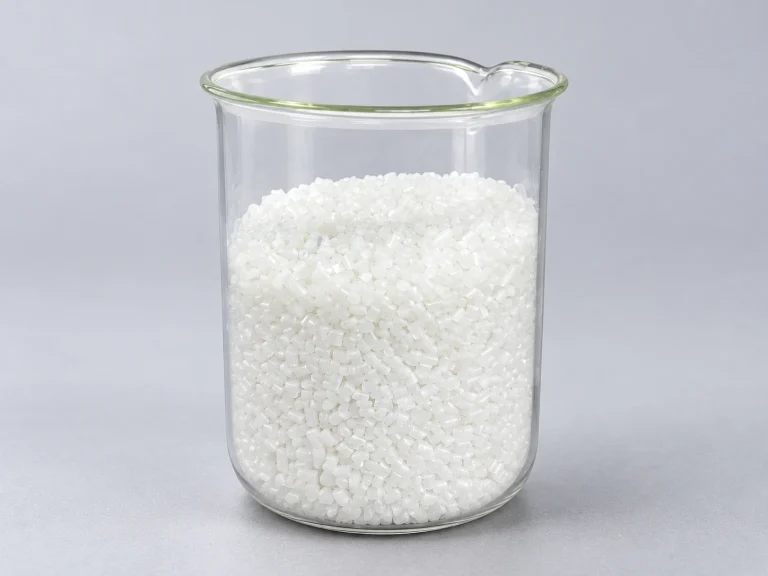
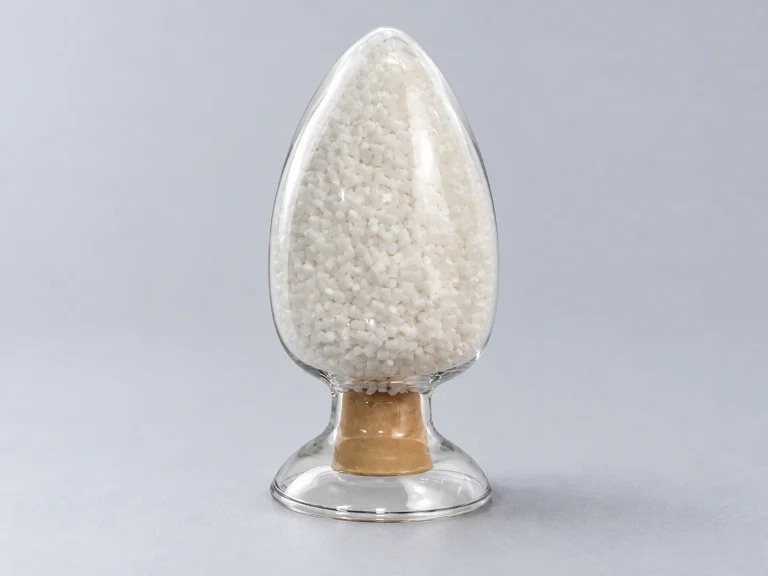
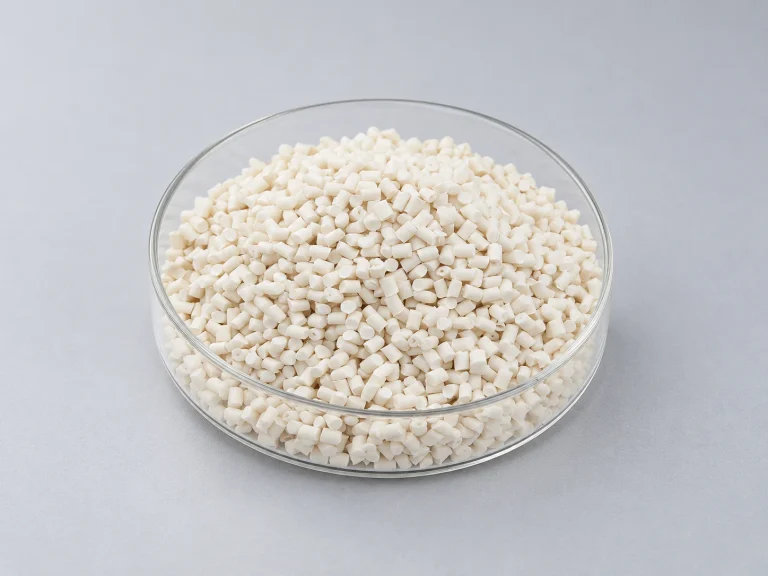
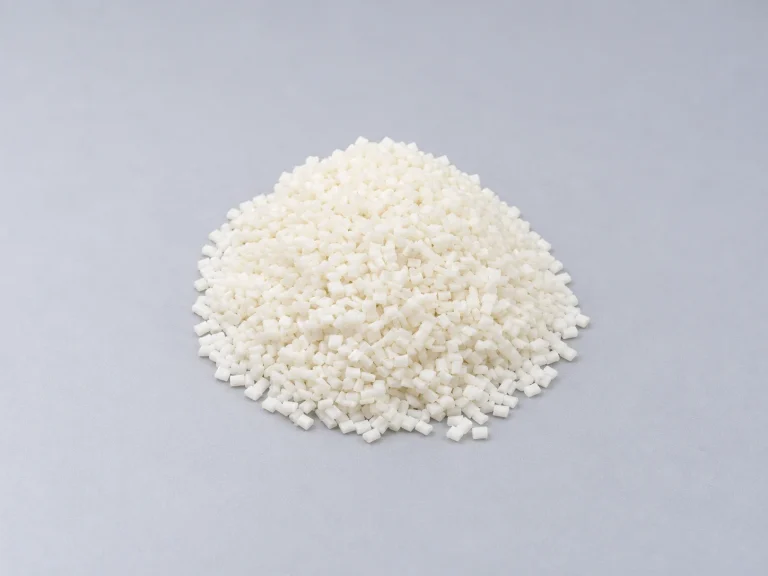
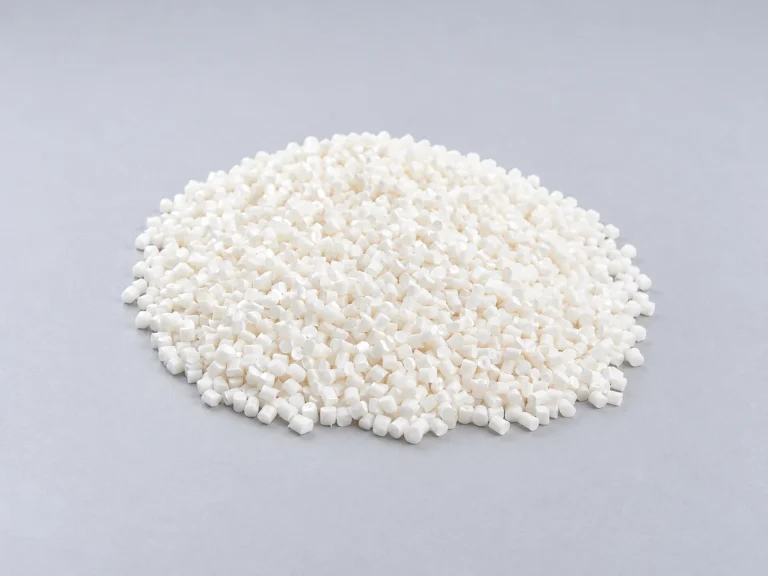
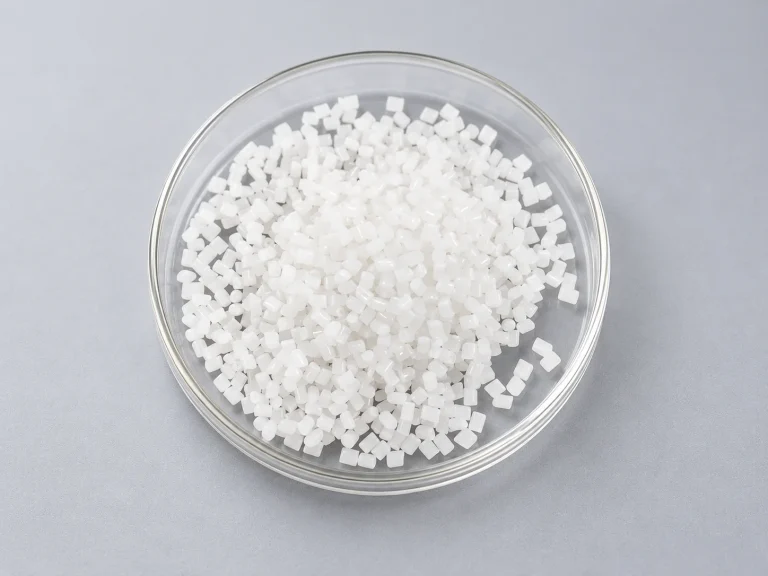
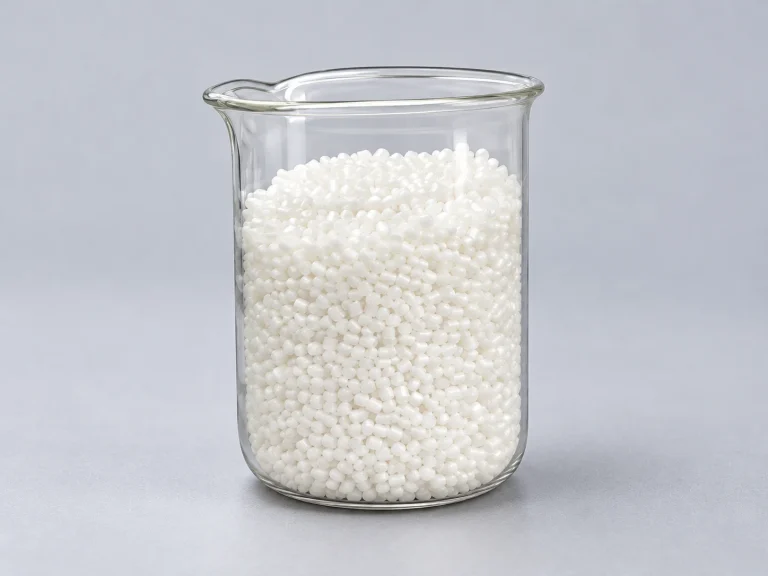
antimicrobial masterbatch The antimicrobial component and carrier are made into particles to facilitate mixing and metering. We select according to substrate, colour and processing method, and serve different routes such as injection moulding, extrusion, foaming and spinning.
View masterbatch models by material
| Target material or process | Corresponding model | Selection concerns |
|---|---|---|
| PP moulding | PP20, PP21; PPR direction PP10 | substrate, transparency requirements and specific moulding process |
| PE / LLDPE | PE101, PE103; LLDPE direction PE102 | Dispersion and appearance of resin grades, membrane materials or moulded parts |
| ABS | ABS103, transparent direction ABS106 | Actual ABS grade, transparency and supply version |
| PC / AS / PS | PC10 / AS20 / PS20 | The carriers are matched separately and the colour difference and light transmission are checked. |
| Nylon / PET | NL -01 / PET antimicrobial masterbatch | Carrier compatible, dry and original formula |
| PBT/PP spinning | PBT105 / PP spinning grade masterbatch | Dispersion, filtration and trial spinning |
| EVA / TPR / PLA | E10 / TPR antimicrobial masterbatch / PLA antimicrobial masterbatch | Specific formula, moulding method and original performance |
| PE mould-proof and antibacterial compound demand | Anti-mould and antibacterial PE masterbatch | The same batch of PE materials are evaluated separately for mould resistance and antibacterial properties, and no single result is used to replace the two categories of performance. |
Matching models according to resin and processing route
PP20 refers to 2.5% to 3%, PP21 refers to 2% to 2.5%; PE101 refers to 2.5% to 3%, PE103 refers to 3%. For transparent ABS, PA and spinning projects, engineers will match products according to brand and carrier, and provide corresponding ingredient suggestions.
After the granules are mixed, follow the original process verification
The masterbatch is measured according to the model, and is evenly mixed with the base material to complete the corresponding drying and moulding. Technical services cover product colour, membrane thickness and dispersion, spinning filtration and fibre formation, as well as foaming holes, density and rebound.
Confirm with the finished product before entering small batch production
We use the added samples and control samples of the same batch of base materials to carry out antibacterial evaluation, and support usage scenario tests such as cleaning and friction. Provide process follow-up when the formula and subsequent processing are changed, and connect product technology and export procurement information according to use.