
7 item
Internal microbiology laboratory
Focus on microbial detection
and material protection research
Our in-house laboratory carries out material evaluation and application research and development focusing on anti-mould, antibacterial and anti-mite. The work covers material sample preparation, microbial culture, microscopic observation and result analysis.
The materials evaluated include textiles, leather, wood, bamboo, and plastics, etc. The experimental records are analyzed along with the material status and processing technology.
View testing and R&D scope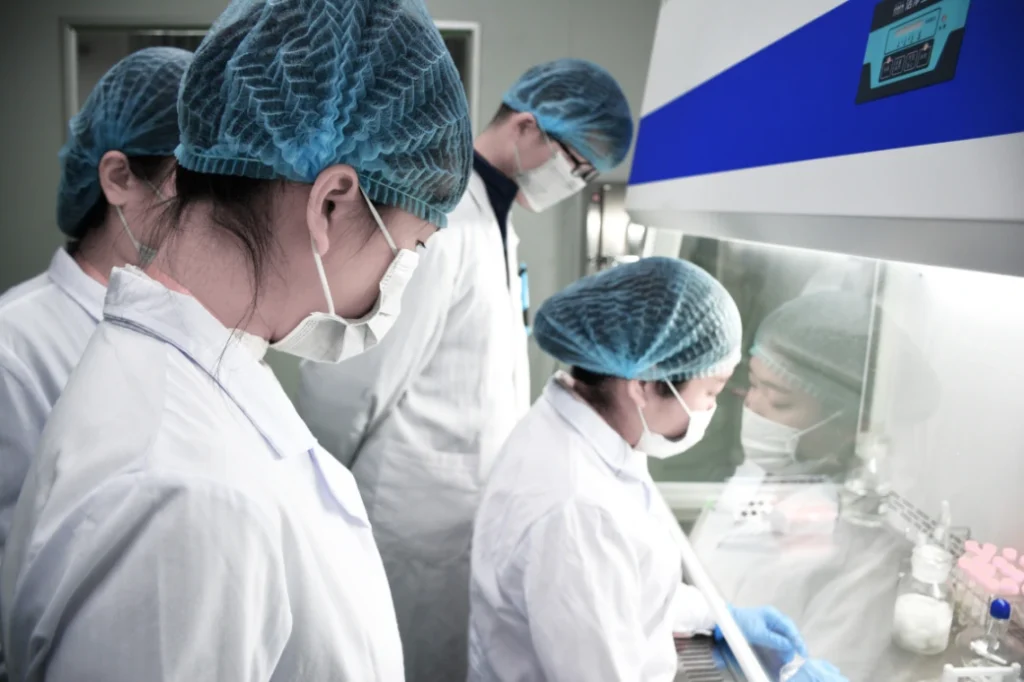
3 directions
Anti-mould · Antibacterial · Anti-mite
Testing and R&D
Testing and R&D capabilities
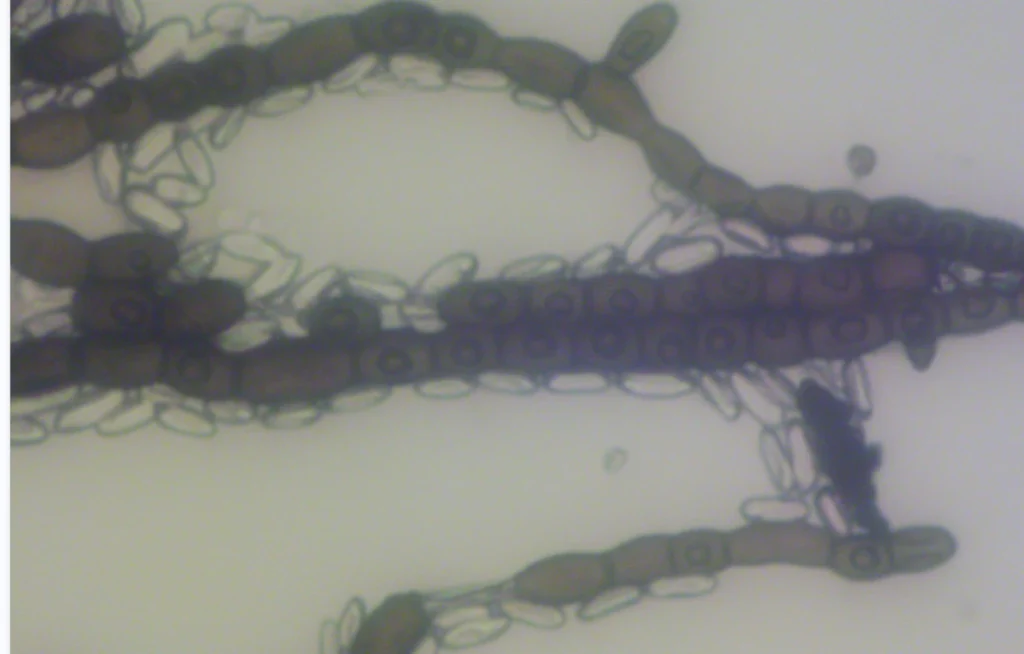
Anti-mould
Antibacterial
Anti-mite
Mould resistance grade evaluation
Culture observations assess mould growth, material resistance and the risk of mould development.
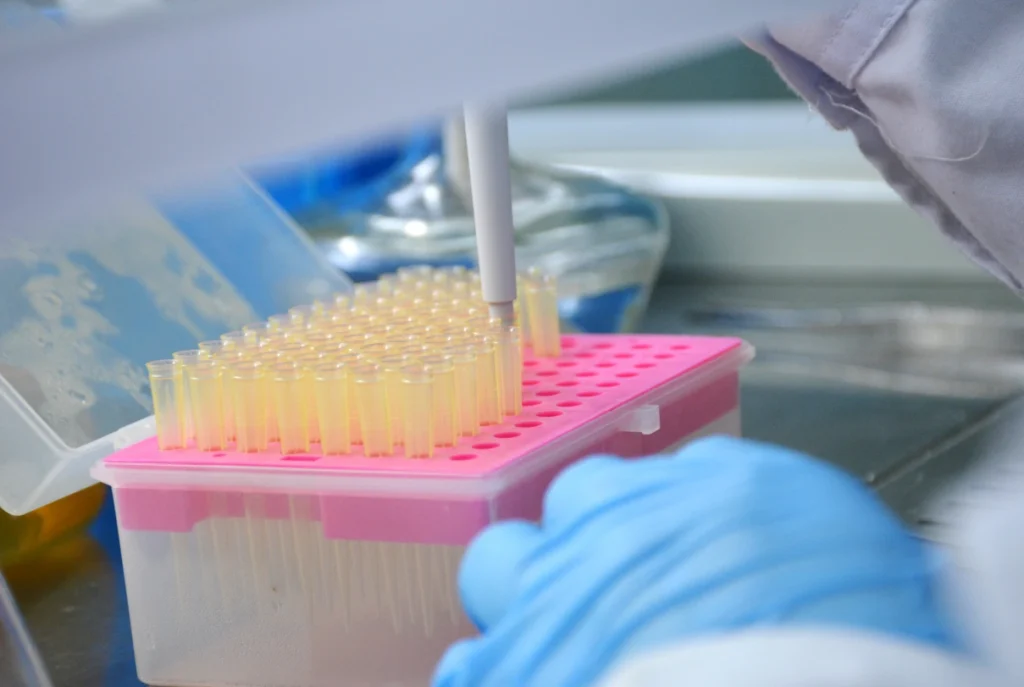
Antibacterial effect evaluation
Evaluate the antibacterial effect of samples on textile and material surfaces.
Household chemicals Product sterilization and antibacterial effect evaluation
Carry out bactericidal and bacteriostatic effect evaluation based on household chemicals formulas and usage methods.
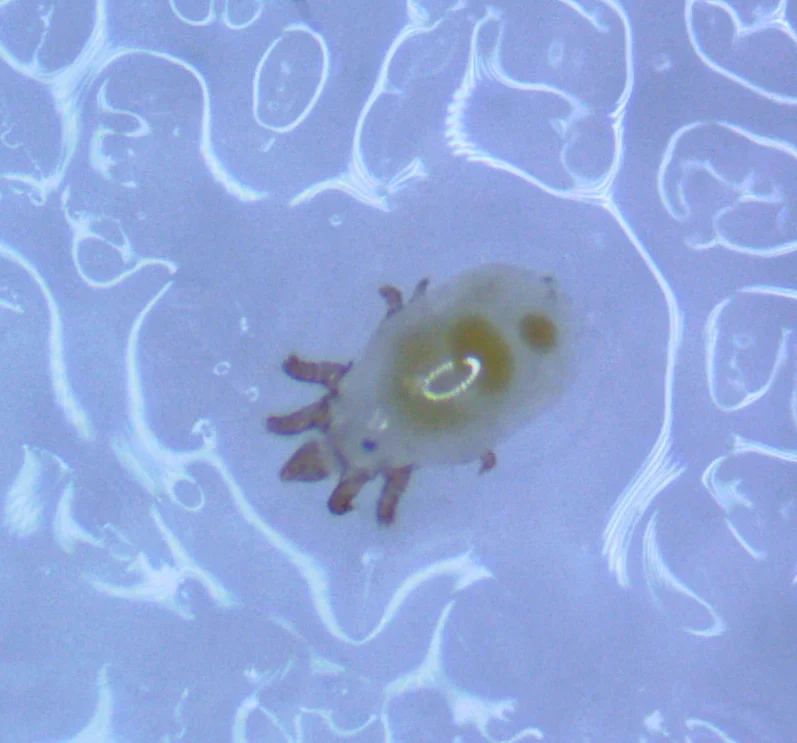
Evaluation and development of anti-mite effect
Carry out evaluation of mite repellent, mite suppression and mite killing effects, and cooperate with the development of anti-mite applications.
Environmental mould detection warning
Detect space sedimentation bacteria to understand the mould situation in the production and storage environment.
Isolation, purification and identification of mould
Isolate and purify the mould in the sample and identify the strains that need to be controlled.
Mould prevention project development
Application research and process development for mould prevention in materials.
Experimental conditions
Equipment and experimental work area
Sample preprocessing, microbial manipulation, culture and observation are carried out in the corresponding experimental area.
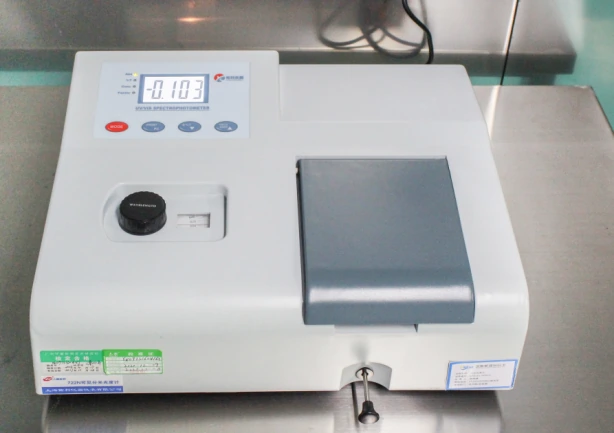
UV-visible spectrophotometer
Sample photometry
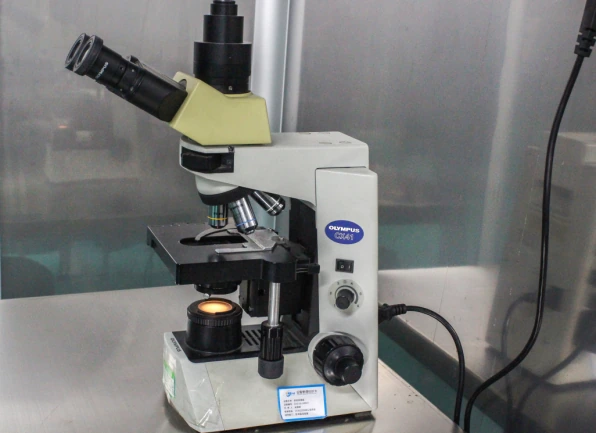
Microscope
Morphological observation of hyphae, spores, etc.
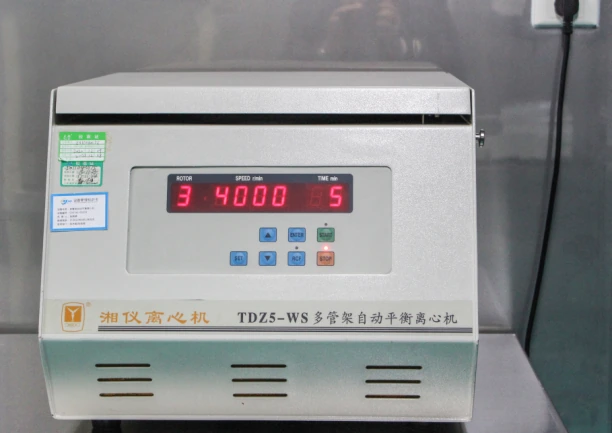
Desktop centrifuge
Sample separation and pretreatment
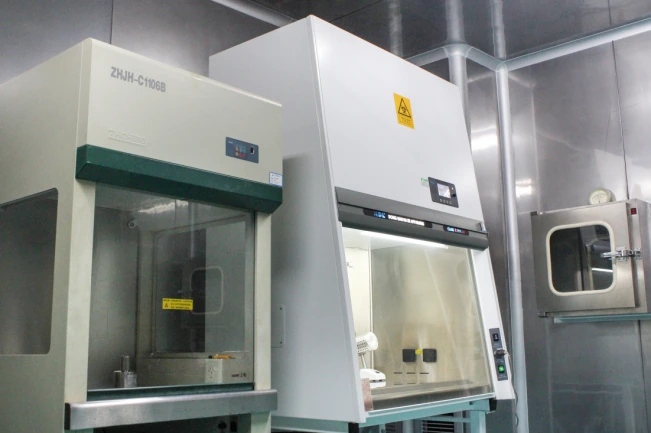
Clean and biosafety operating area
Microbial experimental operations
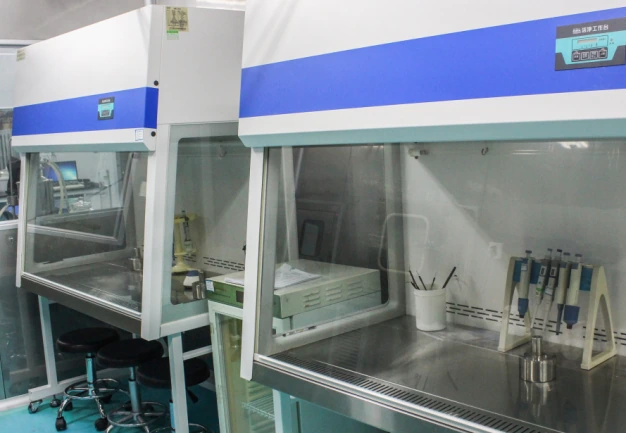
Experimental operation workbench
Sample preparation and packaging
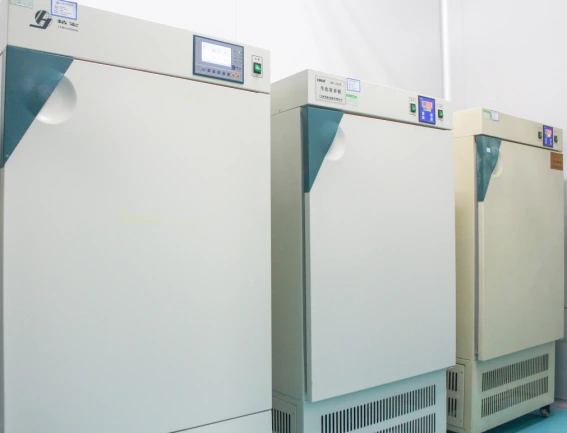
Constant temperature culture equipment
Culture and sample status observation
Sample observation
Material culture and mould prevention evaluation
Record the location and growth of mould on the surface of the sample, and conduct a mould prevention assessment based on the materials and processing conditions.
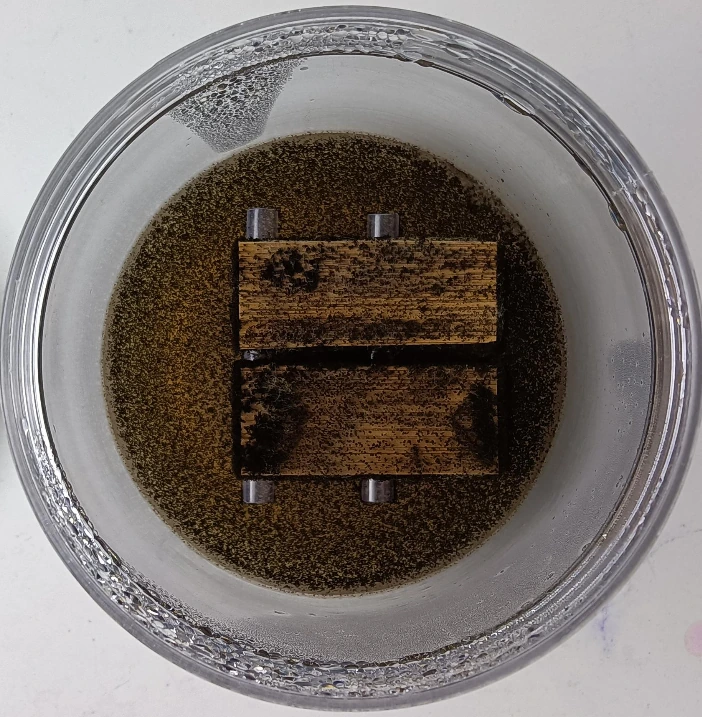
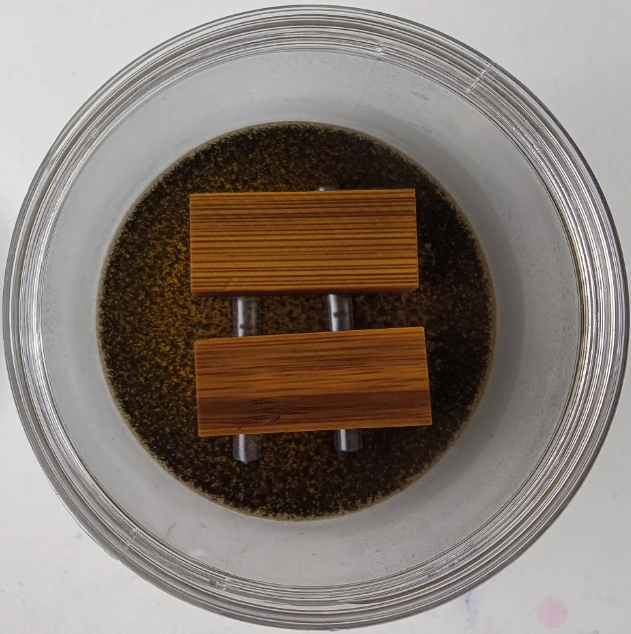
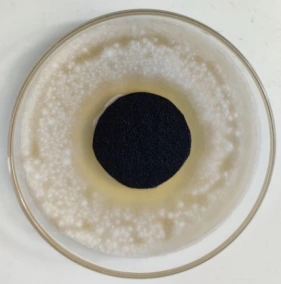
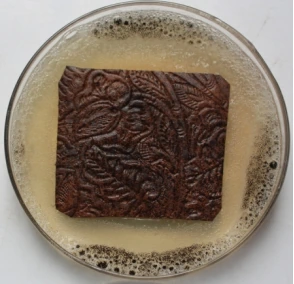
Recombinant bamboo, textile and leather samples were recorded separately and analyzed according to their respective materials and culture conditions.
Material detection range
Textiles and non-woven fabrics / Leather and shoe materials / Wood, bamboo and boards / Plastics and material surfaces / Household chemicals formulations
Sample preparation and internal verification of antimicrobial masterbatch
Take the sample preparation process of PC10 and PC resin as an example. After measuring and mixing, bake the material at about 120°C for 3 to 4 hours, and then mould it according to the corresponding resin process. Engineers match specific drying and moulding conditions based on the PC grade, equipment and supply version.
- When materials or formulas change, the laboratory cooperates with the application evaluation of appearance, processing and moulding samples.
- Each group of samples records the resin, masterbatch, addition amount and processing conditions. The evaluation results correspond one-to-one with the actual samples to serve formula analysis and process adjustment.
| Sample link | Operation and records |
|---|---|
| Same batch grouping | The same batch of PC resin is used to make unadded samples and added samples respectively. The masterbatch is measured according to the corresponding supply version, and the samples are numbered respectively. |
| Mixing and moulding | Record the resin and masterbatch batch, addition amount, mixing method, drying temperature and time, and actual moulding conditions. |
| Part inspection | Compare the transparency, haze, colour difference, dispersion under the actual thickness with the original mechanical requirements, and record the abnormal location. |
| Internal evaluation | Use the completed moulded parts to arrange corresponding antibacterial evaluation; when cleaning, friction or aging is involved, describe the post-processing conditions of the sample. |
Frequently asked questions
Instructions for testing and sample delivery
What do antifungal testing and antibacterial testing observe respectively?
Anti-mould testing records the mould growth status of materials under corresponding culture conditions; antibacterial testing evaluates the effect of samples on target microorganisms. The internal laboratory conducts two evaluations respectively to provide a basis for product and material development.
What information do I need to provide before sending samples?
We first determine the materials and testing items, and then provide sample size, quantity, marking and storage requirements. Treated samples and unprocessed samples from the same batch are grouped and numbered to facilitate combined analysis with process records.
How are experimental records used for formula and process adjustment?
The laboratory combines the culture and testing results with the material status and processing conditions, analyzes the selection, addition and post-processing of additives, and forms formula and process adjustment suggestions.
How to label treated and untreated samples?
Please package separately and indicate the sample number, material and batch, whether it is processed, the product used and the amount added. Different treatment conditions are marked separately; when evaluation after washing or aging is required, the treatment method is also stated.
Consult your application needs
The technical team will provide you with product selection, dosage and processing suggestions, as well as supporting samples and application testing.
We will use the information you submitted for this demand communication, sample delivery arrangements and follow-up services. Privacy notice