
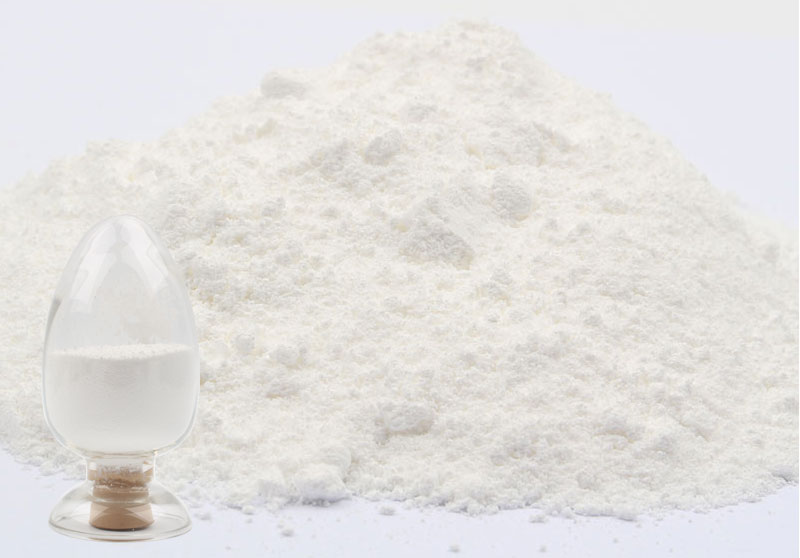
Powder and masterbatch antibacterial solution for rubber and plastic products
We provide antimicrobial additives for plastic casings, soft grips, daily necessities and extruded products. The powder route is dispersed in the mixing process, and the masterbatch route is mixed and fed with resin particles, which can be connected to the corresponding plastic moulding process.
Engineers recommend products based on resin grade, colour, transparency and equipment conditions, and provide addition ratio, mixing and moulding suggestions. The technical cooperation covers both antibacterial function and product appearance, strength and elasticity, making it easy to integrate into existing product development.
Antibacterial powder and masterbatch products
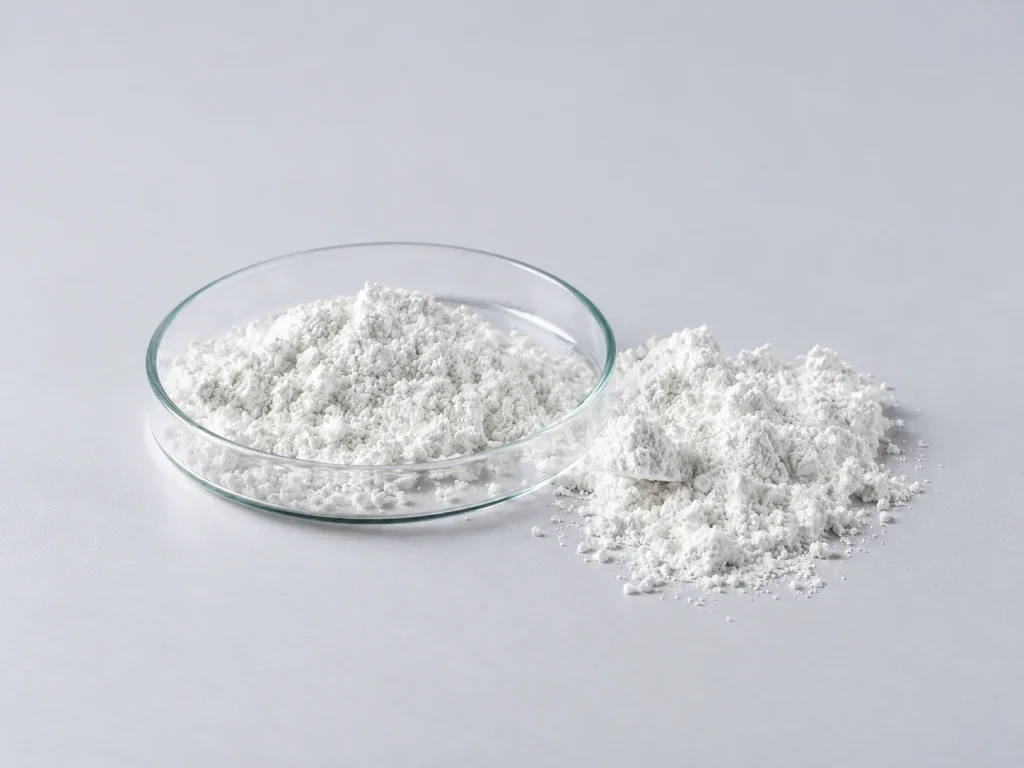
Silver ion antibacterial agent AEM5700-A
Silver ion antibacterial powder, used for plastic mixing and moulding addition. The reference amount is 0.5% to 1%, and the dispersion process and product application testing are supported.
View product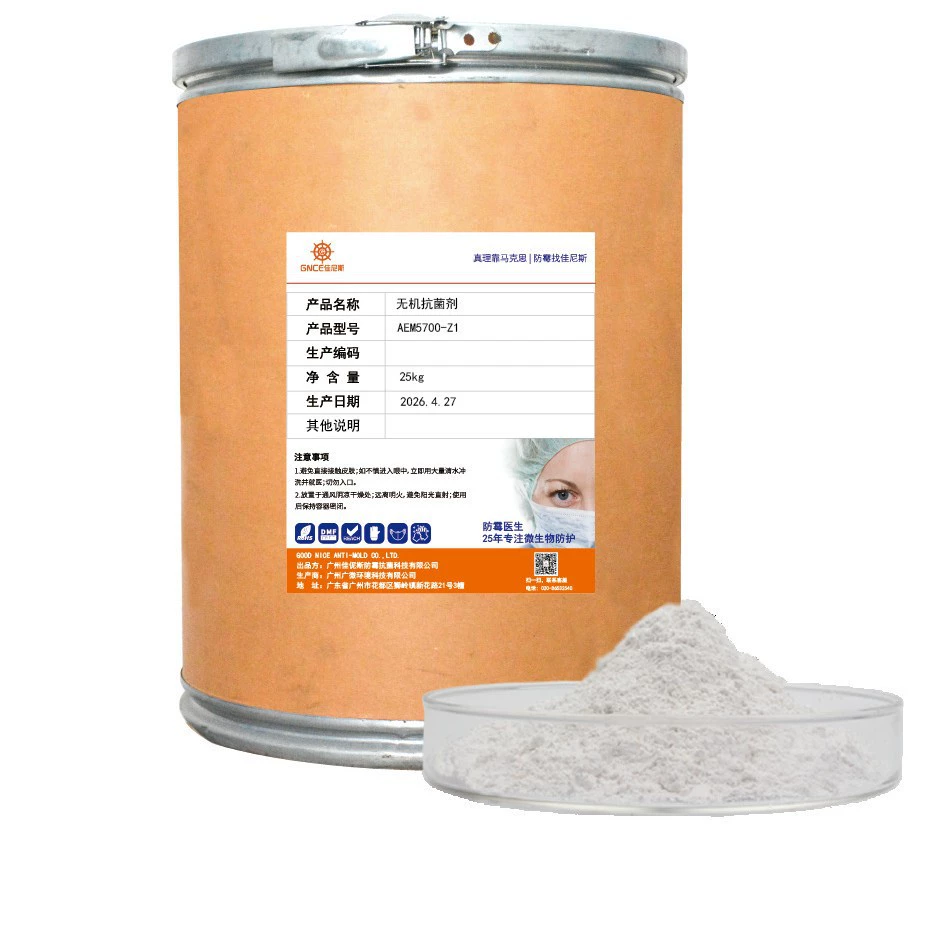
AEM5700-Z1 Antibacterial Powder
White antibacterial powder, used in corresponding plastics and foaming formulas such as PVC and EVA. We provide formula adaptation and processing suggestions for the Z1 model.
Consult this model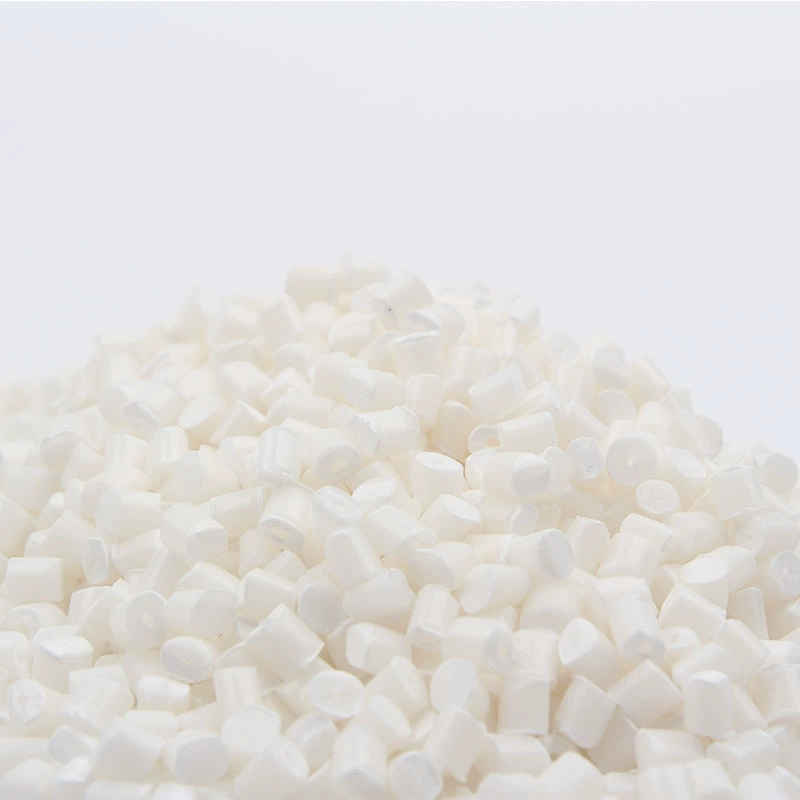
PP antimicrobial masterbatch PP20
Antimicrobial masterbatch for transparent or opaque PP products, mixed with PP resin particles and then moulded. The dosage is recommended to be 2.5% to 3%.
View product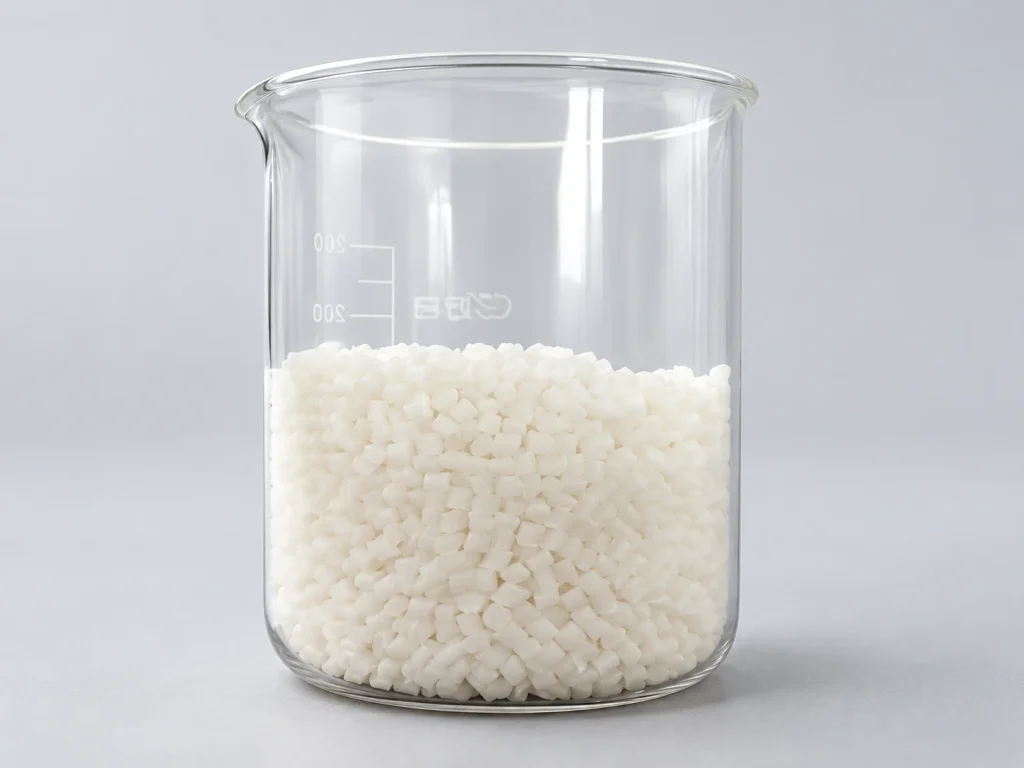
TPR antimicrobial masterbatch
The antimicrobial masterbatch used for TPR soft materials connects the mixing and moulding processes, and the technical cooperation covers hardness, elasticity, colour and surface feel.
View productThe material corresponds to the antibacterial model
| Materials and processing directions | Corresponding products and dosage | Supporting technical services |
|---|---|---|
| PP products | PP20 antimicrobial masterbatch, the dosage is 2.5%~3%. | Particle mixing, moulding colour, transparency and antibacterial performance testing. |
| PE products | PE101 antimicrobial masterbatch, the dosage is 2.5%~3%. | PE resin adaptation, mixing and dispersion, product appearance and application performance testing. |
| TPR soft products | TPR antimicrobial masterbatch, equipped with the addition solution corresponding to the supplied model. | The technical coordination of hardness, elasticity, colour, surface condition and feel. |
| Powder mixing route | AEM5700-A and other powders; the amount of addition for model A is 0.5% to 1%. | Recommendations for weighing, mixing or pre-dispersing, and antimicrobial development of shaped articles. |
Technical services for rubber and plastic antibacterial development
Resin and product matching
Engineers recommend powder or masterbatch models based on substrate, masterbatch, other additives and moulding route.
Feeding and moulding coordination
Provide metering, mixing, dispersion and moulding suggestions, and complete sample development based on equipment and processing conditions.
Appearance and performance
Combined with product requirements such as transparency, colour, strength or elasticity, analyze the application performance before and after addition.
Antibacterial function test
Carry out antibacterial testing on moulded products; support durability evaluation for usage scenarios such as cleaning and wear.
Special matching of silicone and foam materials
In addition to thermoplastic rubber and plastic products, we provide special process support for silicone and foam materials. The silicone project connects mixing, batching and curing; the foaming project connects mixing, foaming and shaping, and covers material properties such as cells, density and rebound.
Frequently asked questions
What antimicrobial masterbatch are there for PP, PE and TPR?
PP products correspond to PP20, PE products correspond to PE101, and TPR soft materials correspond to TPR antimicrobial masterbatch. We provide product suggestions for corresponding carriers and processing routes based on the base resin and product usage.
What feeding methods are suitable for powder and masterbatch?
The powder can be connected to the dry mixing or corresponding pre-dispersion process, and the masterbatch can be mixed with resin particles. Engineers select routes based on existing equipment, resin systems and moulding processes, and provide metering and dispersion recommendations.
How to develop antibacterial formulas for transparent plastics?
Select antibacterial materials that are compatible with the resin and processing technology, and develop moulded samples under actual colour and thickness conditions. The technical work covers light transmission, haze, colour, dispersion and antibacterial properties.
What are the references for the dosage of the products on this page?
PP20 and PE101 masterbatch reference 2.5% ~ 3%, AEM5700-A powder reference 0.5% ~ 1%. We provide measurement standards and ingredients recommendations based on the selected model, and list the dosing arrangements for resins, antibacterial materials and other additives.