
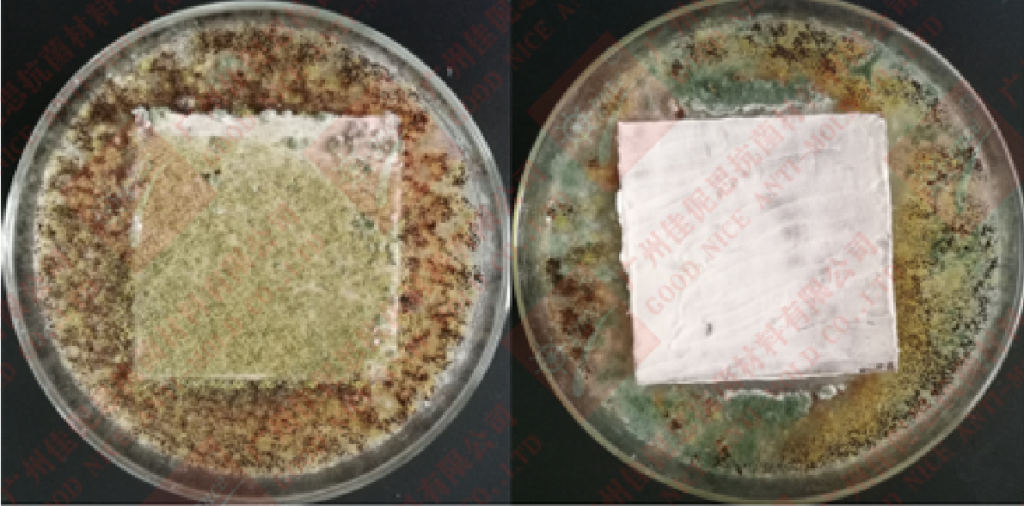
Let the anti-mould treatment fall on the actual glue parts
When mould grows repeatedly on shoe materials, we will first check whether the mould spots are concentrated on the fitting line, heel, shoelace glue or finishing position. If the moisture introduced by the water-based tape is not fully dissipated, problems may still occur after the finished product is packaged; if you only clean the surface, it is easy to miss the previous process.
We arrange the addition plan based on the glue type, glue application part and drying conditions. We also check the glue, semi-finished products and packaging links to help the factory incorporate anti-mould treatment into the existing production process.
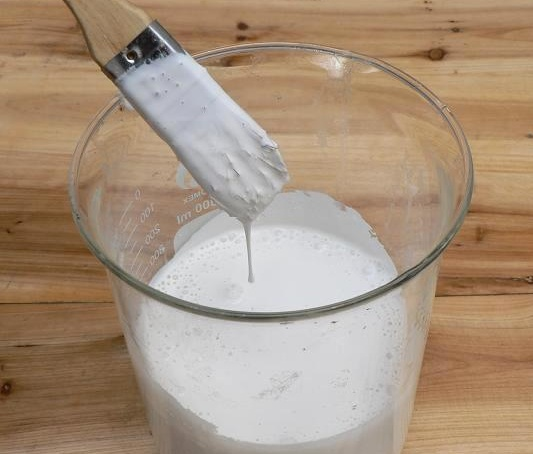
Separate selection of water-based glue and oil-based glue
Water-based systems such as white latex and flocking glue can choose AEM5700-L50, and oil-based glue and resin can be selected to correspond to oil-based raw materials. We provide metering, mixing and laminating process services based on rubber type.
We carry out dispersion, viscosity and appearance comparisons in actual glues, then make bonding samples according to the production process, analyze mould prevention, gluing and finishing performance, and formulate addition suggestions.
After lamination, allow sufficient drying and cooling steps
If bagged immediately after heat bonding, it is easy to leave moisture that has not yet dissipated inside the material. We will check the connection between drying, cooling and temporary storage: the materials will be sealed after they are dried and cooled, and if necessary, the cooling distance or turnover arrangement of the production line will be adjusted.
For lamination locations that are repeatedly moldy, we jointly check the moisture and turnover records of raw materials, glue and semi-finished products to distinguish between water-containing materials, drying of the glue layer, and temporary moisture absorption paths.
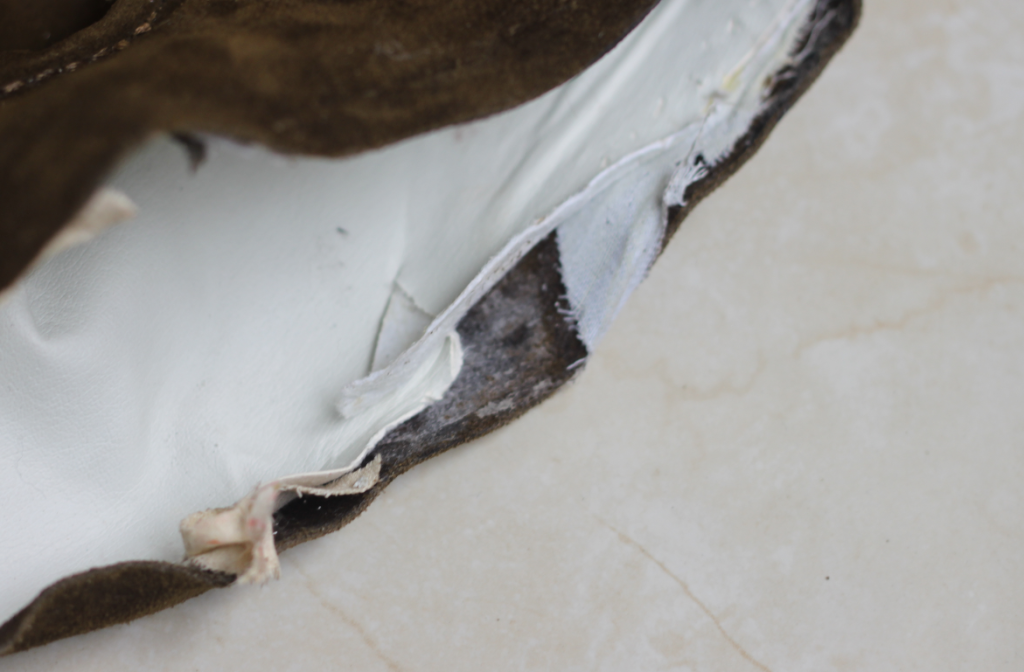
Anti-mould package for heels, laces and finishing
The use of glue does not only occur in large-area joints. We also check for small parts and finishing steps that are easily overlooked to reduce the risk of mould appearing again after the finished surface is cleaned.
- Clad leather and wooden heels: connect glue, hardener and surface oil treatment, and then wax after the surface oil dries.
- Shoelaces: Check the drying conditions before and after gluing and waxing to prevent wet accessories from directly entering the finished product.
- Edge oil, top oil and finishing: Complete coating and full drying, compare the appearance of the finished product.
- Air gun and spraying links: Check the drainage and filtration of the air compressor and air circuit to prevent the compressed air from bringing water to the product.
Samples are inspected for mould resistance, gluing and appearance at the same time
We use the same batch of substrate to make original process and additive samples, compare mould resistance, gluing and surface conditions, retain the model, additive amount, sequence and drying conditions, and connect them to trial production.
The analysis results of the material samples are fed back to glue use, drying, turnover and packaging, forming a continuous mould prevention process from the glue layer to the finished product.
Related technical practices
Frequently asked questions
After adding antifungal agent to the glue, do I need to adjust the drying process?
Glue anti-mould addition and drying are carried out together. The water-based glue and thermal bonding materials are dried and cooled before being bagged, and the lining, heel and other parts are included in the same process.
Can water-based glue and oil-based glue use the same model and the same dosage?
Water-based white latex and flocking glue can choose AEM5700-L50, and oil-based glue should use corresponding oily raw materials. We add, disperse and glue development according to the type of glue.
Why is there no mould growing on the shoe upper, but mould spots appear repeatedly on the edges?
We trace the edge gluing, drying and encapsulation times, compare the original process samples and adjusted samples of the same batch of substrates, and locate improvements in addition, drying or turnover links.
How do you analyze mould at the fitting position of shoe materials?
We checked the glue application location, dosage, drying and cooling, traced the temporary storage environment of semi-finished products, and analyzed the glue layer moisture and turnover moisture absorption.
Will the original bonding strength and appearance be affected?
We compare the dispersion, viscosity and appearance of the glue, make bonding samples according to the original process, analyze the bonding, colour and finishing performance, and establish it in conjunction with the batch process.