
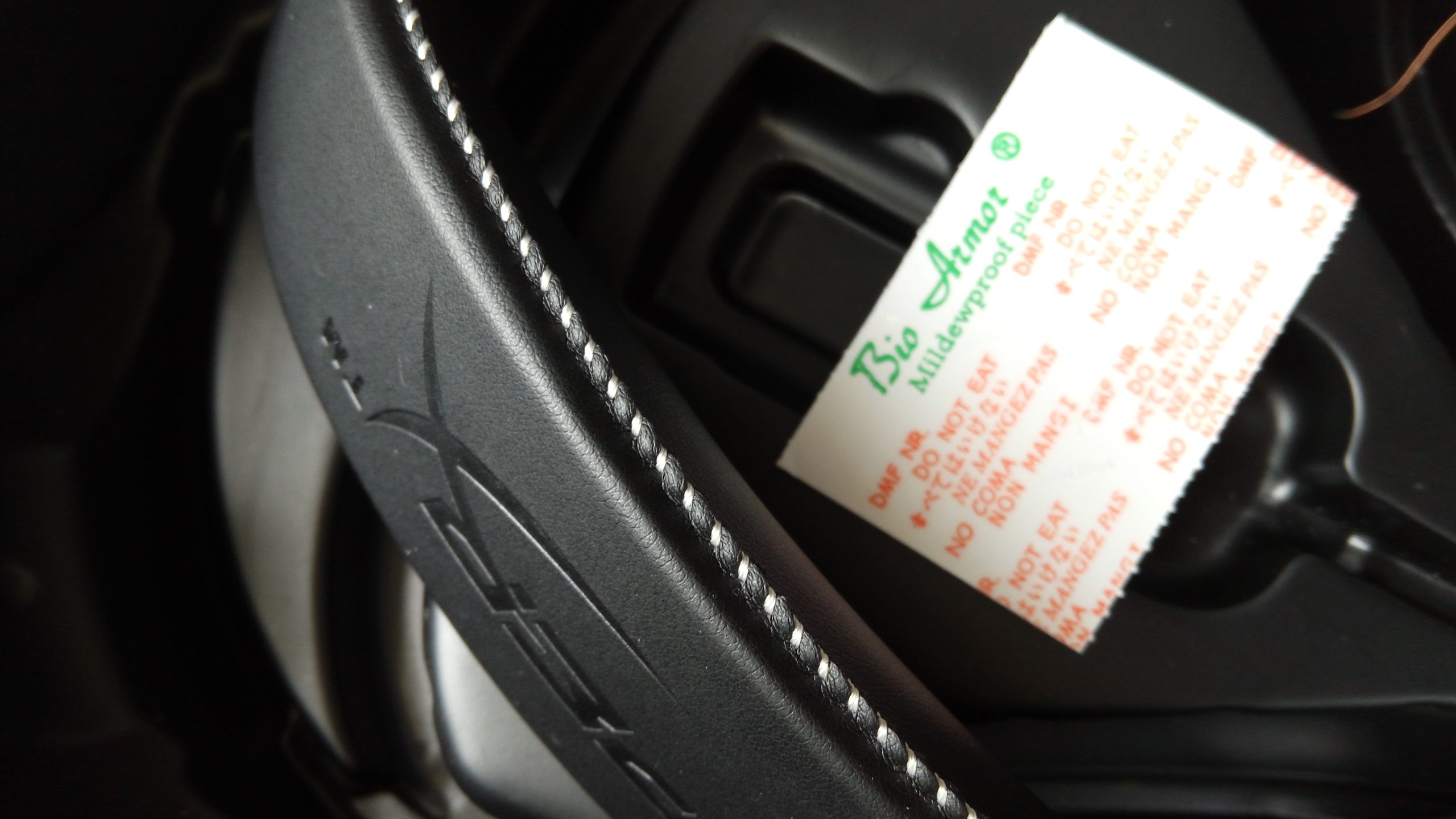
Mould-proof package covering inner packaging and outer box
We provide anti-mould bags, anti-mould cards, anti-mould packaging paper and hygroscopic materials to establish packaging protection for finished export products that have been produced. The solution is directly connected to the bagging, wrapping, cartoning and sealing processes, and is suitable for shipping needs without adjusting product formulas.
The packaging solution covers the finished product, lining, filling and outer box at the same time. The anti-mould material is responsible for preventing mould in the packaging, and the desiccant manages the moisture in the packaging; we configure it according to the structure of the shoe box, inner bag or outer box.
Packaging and configuration location of anti-mould products
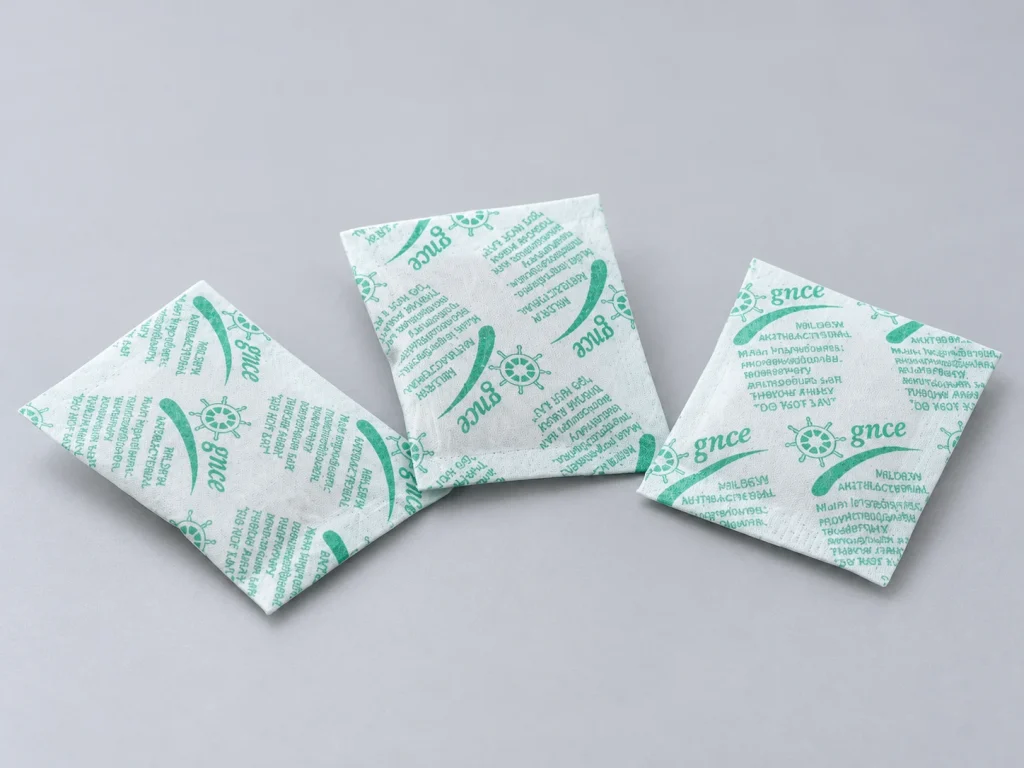
Anti-mould bag
W-2-F particulate mould-proof bag is used in the packaging of shoes and clothing, leather goods, electronic products and furniture. Match the structural layout of the inner box or outer box.
View product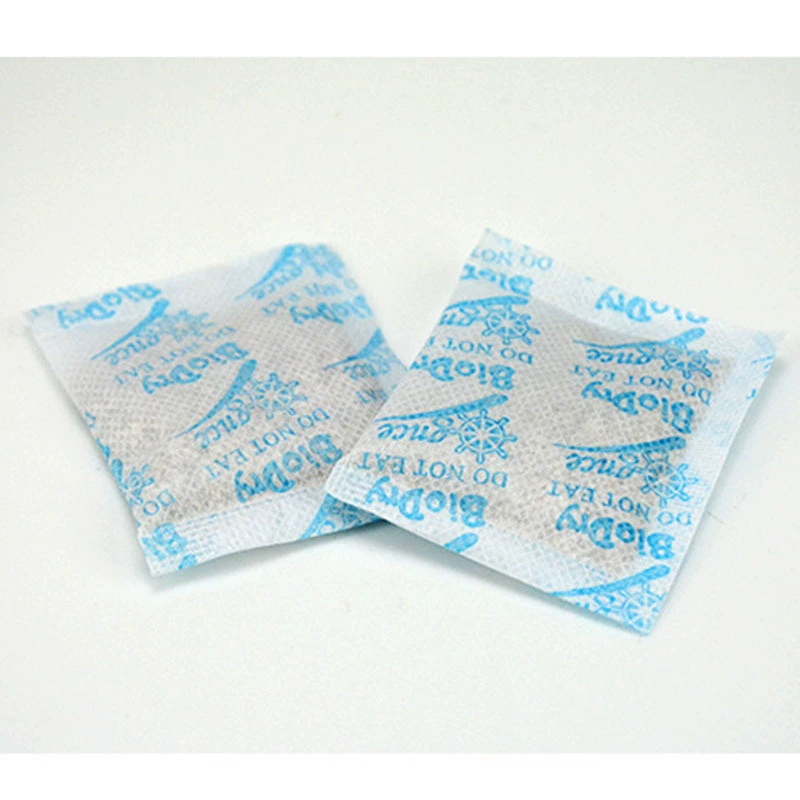
Biochemical desiccant
Particulate packaging hygroscopic material, used to prevent moisture inside finished product packaging, and can be combined with anti-mould bags or anti-mould cards.
View product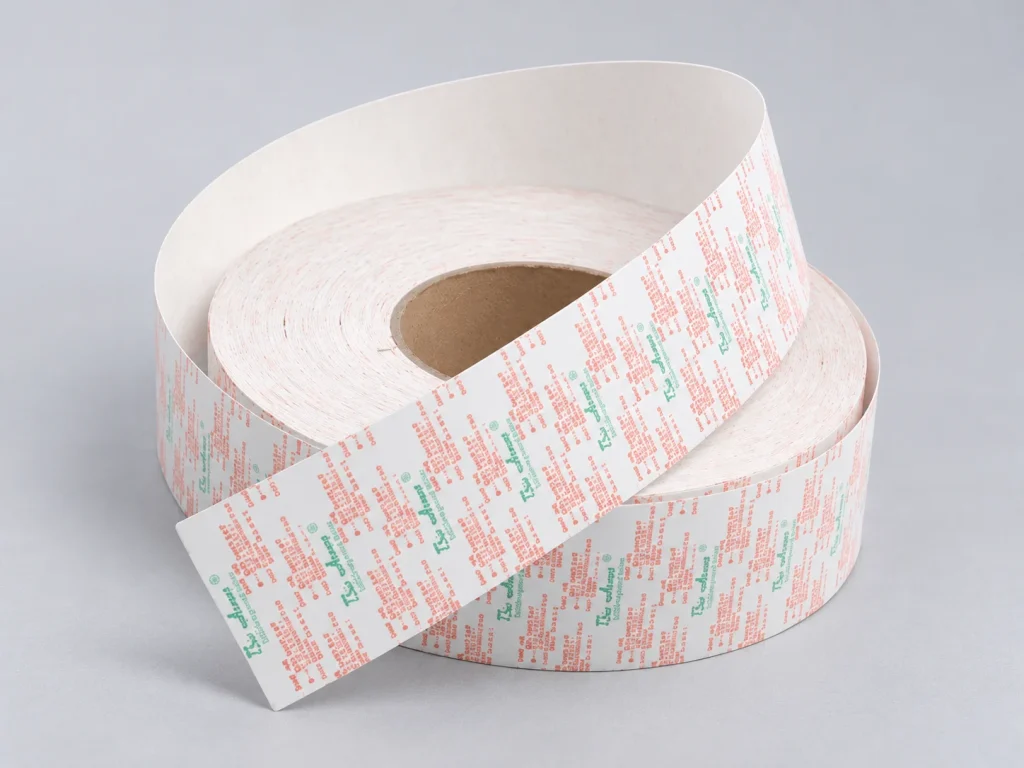
bioarmor anti-mould cards
5×2.5cm roll anti-mould card, 4000 pieces/roll, suitable for the sheet placement process of packaging lines such as shoe boxes.
View product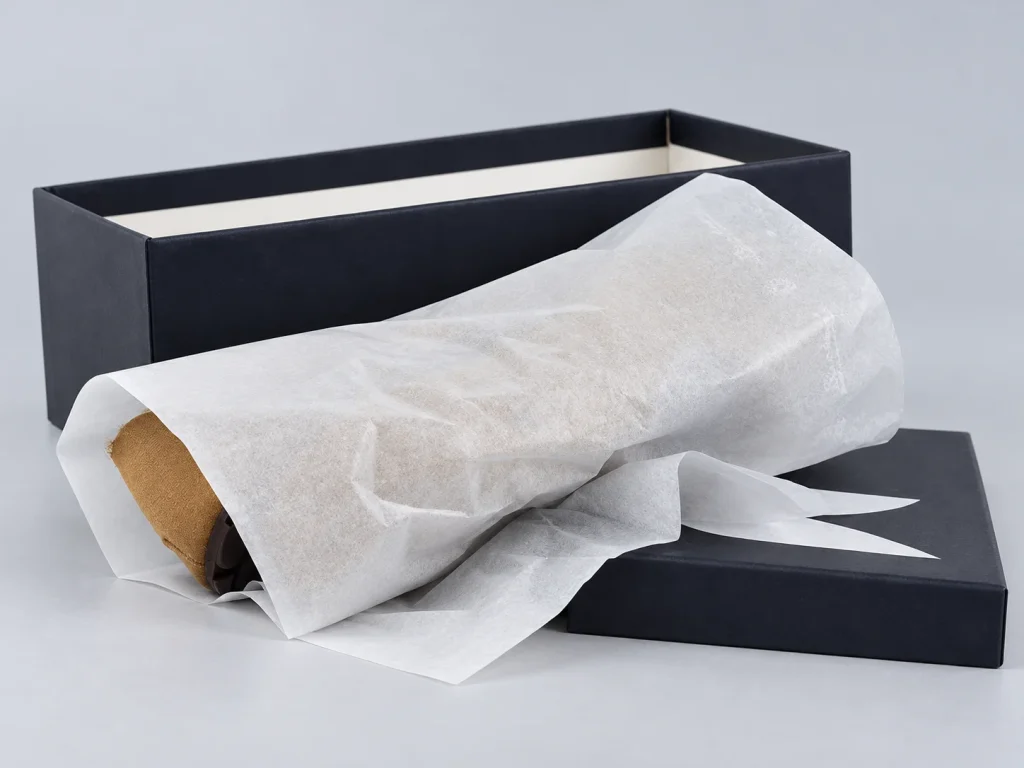
Mould-proof wrapping paper
It is used for packaging finished products such as footwear. The anti-mould material is integrated into the lining paper and packaging process, and is matched with the protection of the inner box and outer box.
View productPlan content of four packaging links
| Packaging link | Process content | Our configuration work |
|---|---|---|
| Finished products and accessories | The connection between production drying and packaging covers seams, inner cavities and composite parts. | Analyze product materials and structures to determine the role of packaging mould prevention. |
| Lining and filling | Protection of the parts where the lining paper, inner bag, filling paper and product come into contact. | Choose anti-mould paper, sheets or packets, and design the inner packaging combination. |
| Inside the box and inside the box | Specifications, quantities and placement of anti-mould materials and desiccants. | Provide configuration suggestions and location instructions for each box or box. |
| Outer box and sealing | Moisture-proof management of outer box, box bottom and packaging process. | Incorporate packaging methods and storage and transportation cycles into the entire packaging solution. |
Implementation process of packaging supporting plan
Packaging structure analysis
Determine the location of mould-proof and moisture-absorbent materials based on the finished product size, lining, inner box, outer box and packing method.
Product and dosage configuration
Provide corresponding specifications, quantities and combination suggestions based on packaging space, material moisture, sealing degree and transportation time.
Coordination of trial assembly and packaging line
Complete the entire set of packaging trial assembly, and organize the layout requirements for small packages, sheets and wrapping materials to facilitate the execution of the packaging line.
Arrival feedback and solution optimization
Combine packaging samples, shipping records and arrival status to optimize packaging materials and protective configurations for subsequent orders.
Complete cabinet moisture-proof and repacking services
Ocean transportation projects can be equipped with both in-box protection and moisture-absorbent materials inside the container. For abnormal goods that have become moldy, the repacking rectification plan connects sorting, mould removal, drying and repackaging to form a complete package of packaging and transportation links.
Similar materials and on-site processing practices
Frequently asked questions
In what aspects are anti-mould bags, anti-mould cards and desiccants used?
The anti-mould bag and anti-mould card are used to protect against mould in the packaging, and the desiccant is used to absorb moisture in the packaging space. We configure the structure according to the structure of the inner bag, shoe box or outer box and give the placement location.
How do you determine the configuration of each box or case?
Based on the internal dimensions of the package, finished product and lining materials, sealing method and transportation time, the engineer provides suggestions on the specifications, quantity and layout of the protective materials, and coordinates the trial assembly of the entire package.
What is the difference between the application of mould-proof packaging paper and ordinary lining paper?
Anti-mould packaging paper integrates anti-mould materials into the packaging process and is suitable for padding and packaging of finished products such as footwear. We combine product contact surface, packaging method and inner box structure design with matching sheets and small packages.
How to arrange protection for repackaged goods?
We connect the repacking process with the packaging configuration: after completing the mould removal and drying, replace the abnormal packaging materials, configure anti-mould bags, sheets or desiccants, and arrange moisture-proofing inside the container according to subsequent shipping conditions.