
Find out the source of the water
We include leakage, indoor and outdoor humidity, cargo placement, material packaging and sanitary conditions as inspection entrances. On site, first check whether there is water in the roof, walls, windows and floor, and then check the bottom of the pallet, the carton against the wall and the inside of the package. Goods may become damp even if they are not directly exposed to rain: the moisture contained in the wood, cartons and linings themselves will continue to affect the inside of the packaging during storage and transportation.
Temperature and humidity records must be able to explain abnormalities
Temperature and humidity records were included in the rectification of previous warehouse inspections. We compare the changes inside and outside the warehouse, covering the walls, doorways and depths of the shelves, and arrange opening and closing of doors and windows and mechanical dehumidification according to the weather and the entry of humid air.
Place it together with dehumidification equipment
Goods are placed on pallets to isolate them from moisture, and space is left for inspection against walls and pillars. Abnormal inventory is classified and isolated. Dehumidification equipment is configured according to the space sealing, coverage area, cargo layout and inbound and outbound arrangements to keep the air path and drainage unobstructed.
Moisture-proof packaging is not just about putting a pack of desiccant
The moisture-proof packaging covers three paths: the air in the package, the water carried by the materials and accessories, and the water vapour from the outside. Engineers configure hygroscopic materials according to packaging volume, sealing and cycle, and connect the finished product with the lining drying and packaging processes.
container loading check remains in the shipping record
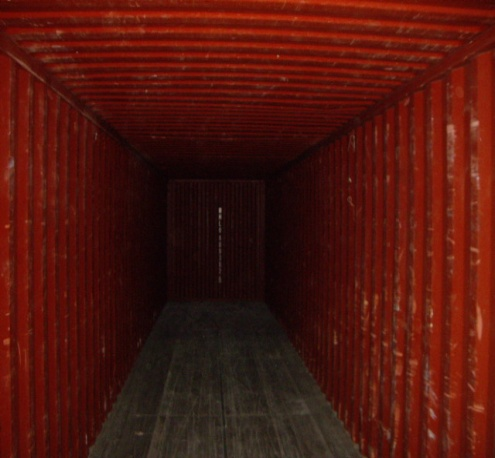
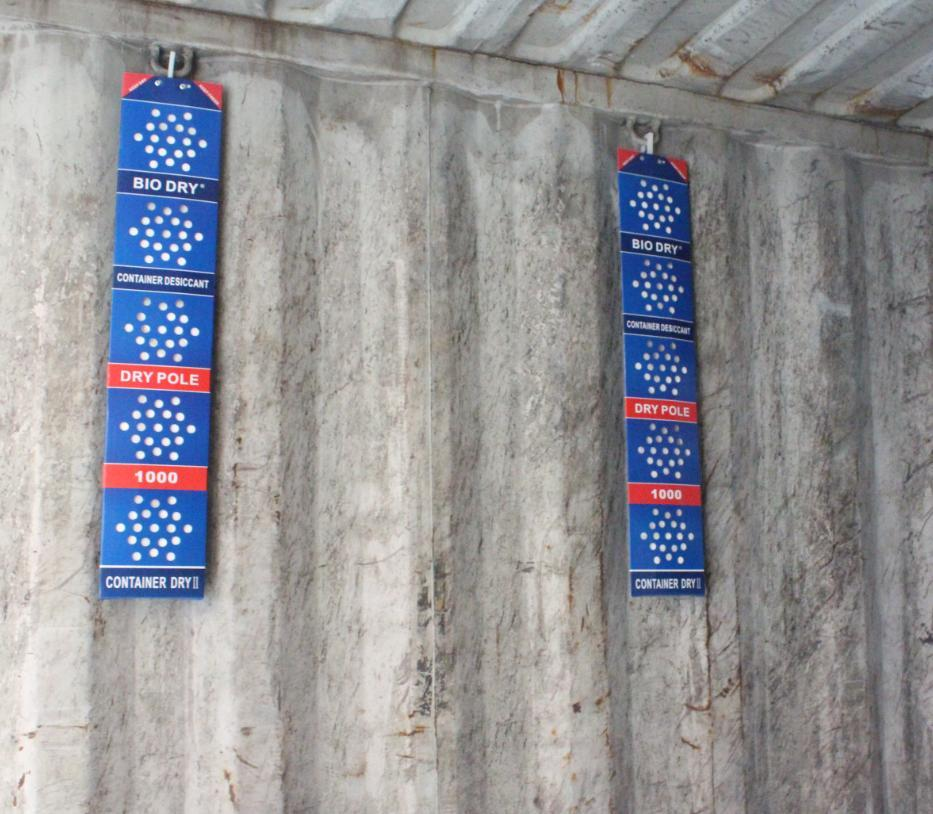
Before loading the container, check for cleanliness, dryness, odour, light transmission, damage and leakage, and confirm that the cabinet door is sealed. Engineers configure hygroscopic materials and fixing methods according to cabinet type, cargo and voyage, and record cabinet conditions, packaging, material layout and container loading time.
Corresponding mould prevention solution
Frequently asked questions
Will it definitely help to open the windows when the warehouse is wet?
Not necessarily. First check the outdoor weather and humid air ingress, and compare the indoor and outdoor records; opening windows may increase moisture on rainy days or when the outside is more humid.
How to consider moisture in cartons and wooden pallets when packaging moisture-proof packaging?
Cartons, pallets and linings are one of the sources of moisture in packaging. We incorporate moisture in the material, sealing and storage and transportation time into the configuration of hygroscopic materials.
How do you design the drying bar configuration for each cabinet?
We design the configuration of each container based on the container type, moisture content of the goods, packaging structure and transportation cycle, and support container condition inspection, hanging and container loading records.
Updated: 2026-10-29