
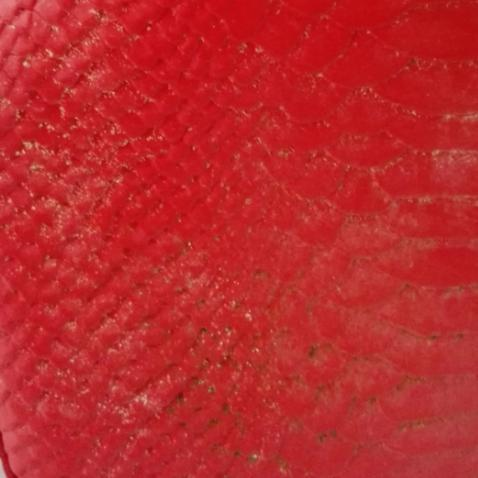
First check the complete location of mould
Handbag samples have experienced varying degrees of mould on the outer skin, inner lining and hidden seams. We unfolded the bag body and took out the filling paper, inspected the outer skin, inner lining, back of the shoulder strap, zipper and bottom corners, and divided the treatment area according to the distribution of mould spots.
Affected bags are handled individually
Isolate the abnormal handbag from the normal inventory and work in an area with exhaust ventilation. Old filling paper and contaminated packaging are collected separately, and personnel are protected according to product safety information; discolouration, cracking and damaged leather are classified and evaluated for rework methods.
Check and clean gaps and leather surfaces separately.
Use corresponding tools to clean seams, corners, zippers and bottom corners. The leather surface should be matched with products according to coating, colour and feel. Keep tools clean, and remove accumulated water from pipelines of air source equipment before entering the cleaning process.
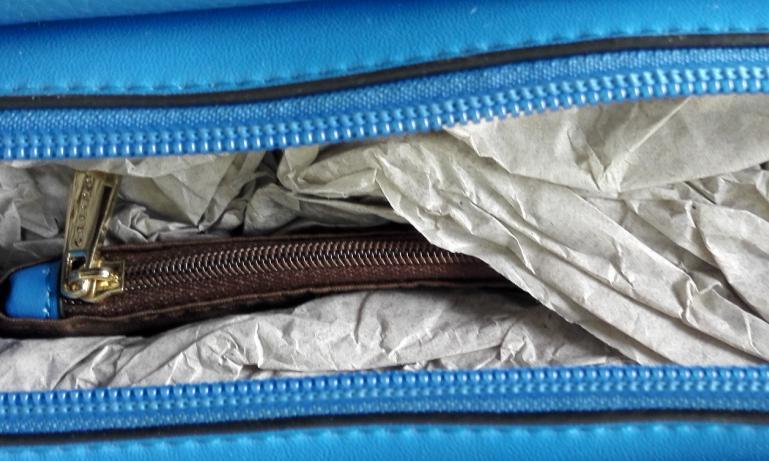
Dry after treatment, then replace with new packaging
After cleaning, anti-mould treatment should be carried out according to the applicable conditions of materials and treatment agents to cover previously moldy and easily missed locations. The processed handbags should be fully dried before being filled with new filler paper and packaging by personnel who maintain clean hands. For long-term storage or long-distance transportation orders, moisture-proof and mould-proof products should also be selected based on the packaging volume, sealing degree and transportation cycle. Old paper, old bags and damp linings are not replaced, and handling the leather surface alone still leaves subsequent risks.
Rework records must be traceable to specific locations
Rework records include processing locations, cleaning methods, products, drying, packaging material changes and before and after photos. We connect the warehousing review with material moisture, packaging and warehousing rectification, and follow up on the original moldy areas.
Corresponding mould prevention solution
Frequently asked questions
What hidden areas does the handbag rework cover?
Check the back of the shoulder strap, seams, metal buckle seams, zippers and bottom corners. In previous samples, the leather surface and inner lining were affected to varying degrees, so we expanded the inclusion body and dealt with it one by one.
Can the original filling paper still be used?
Reworked batches that are moldy should replace the old filling paper and contaminated packaging, and check whether the new packaging is dry and clean.
How to complete repackaging of handbags after disposal?
After cleaning, mould proofing and sufficient drying, check the appearance and feel, then use new filling paper and packaging to store, and recheck the original problem location.
Updated: 2026-10-29