
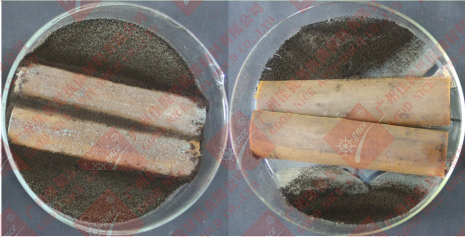
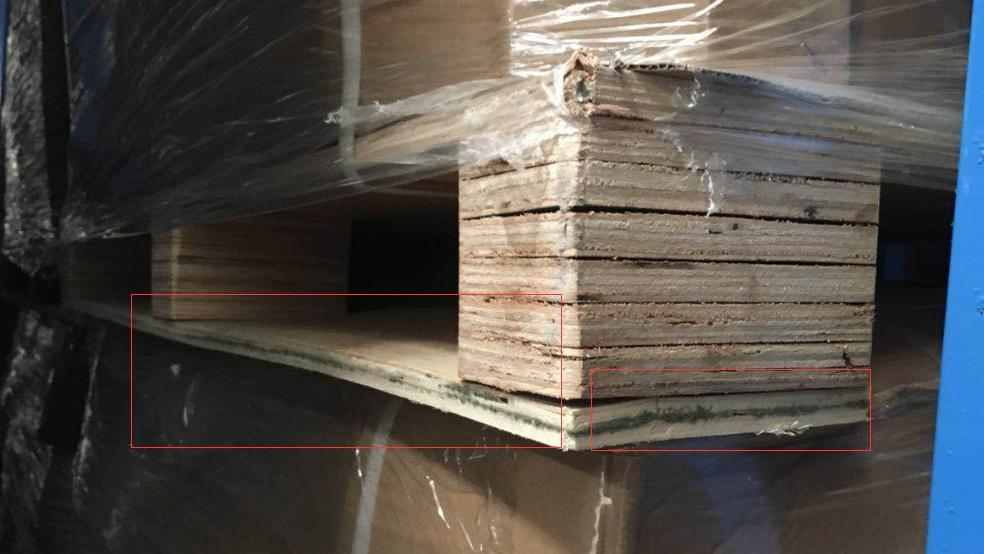
Check from stacking and contact position
We inspect the upper surface of bamboo, solid wood, boards and woven rattan, the inside of the stack, the bottom of the tray and the location under the film. When an abnormality is discovered, record the moisture and environment, and analyze the moisture path based on the sampling, unpacking, and placement processes.
Soaking treatment access material processing
AEM5700-2 is used for soaking bamboo, wood and rattan. Engineers prepare liquid, soak and dry according to the material type, thickness and absorption state, and then connect the subsequent gluing, painting and assembly.
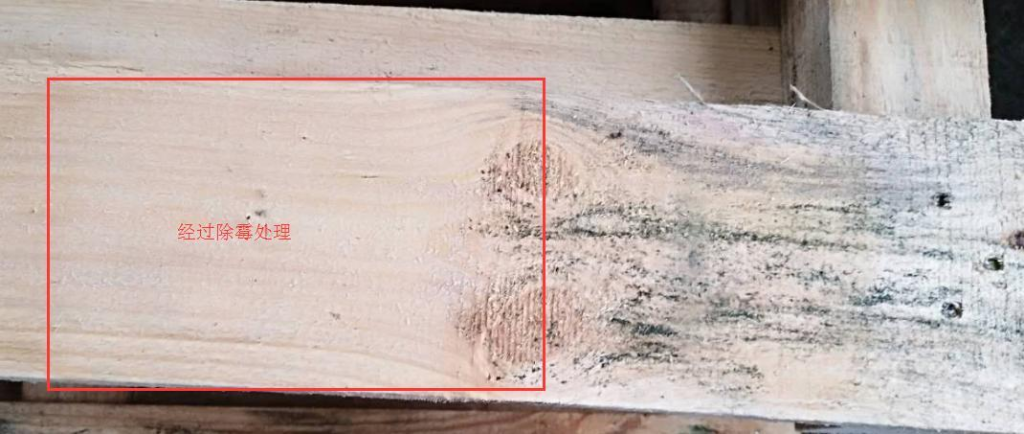
The surface of the finished product should be treated separately from existing mould spots.
For finished products that are inconvenient to soak, you can choose AEM5700-F or wooden cabinet antifungal agent, with matching wood colour, gloss, edge sealing and finishing treatment. For existing mould projects, local cleaning and damage classification should be completed first, and then subsequent mould prevention, storage and transportation measures will be arranged.
Implement drying and moisture-proofing before packaging
Components and packaging materials are fully dried before being packed into boxes. Pallets are used for storage to provide moisture insulation and allow space for air flow and inspection. We carry hygroscopic materials according to the wood and cartons, packaging sealing and transportation time.
Related technical practices
Frequently asked questions
Can AEM5700-2 be directly applied to painted furniture?
AEM5700-2 is mainly used for soaking bamboo and rattan. Furniture that has been painted or veneered adopts the corresponding surface treatment route, and we provide matching veneer and local process services.
The moisture content was qualified when submitted for inspection, so why are there still mould spots?
We combine the moisture, sampling location and storage records when the anomaly was discovered with the impact of air-drying during unpacking and transportation to trace the moisture process of the material.
What parts of wooden pallets are covered by mould inspection?
In addition to the upper surface, also check the bottom, the contact surface with the ground and goods, the inside of the stack and under the wrapping film to record whether there are moisture marks or mould spots.
Can it be sealed and packed immediately after soaking?
After the components and packaging are fully dried and packaged, engineers combine post-processing, appearance, and storage and transportation protection to provide corresponding drying and packaging arrangements.