
Mould cause analysis and repacking rectification
Our rectification service handles abnormal goods and subsequent production at the same time: analyzing the source of the problem through the location of mould spots, samples in the same batch, and packaging status, and formulating a sorting, mould removal, drying, and repackaging plan for this batch of goods.
Engineers select treatment products based on the surface structure of leather, wood, fabrics and composite products, and convert on-site treatment results into corrective measures for materials, drying, packaging and shipping.
Locate the rectification steps according to the moldy parts
| Abnormal parts | Our analysis work | Corresponding rectification link |
|---|---|---|
| Glue seams, linings and interlayers | Compare materials, adhesives, assembly positions and production drying conditions. | Material mould prevention, batching or finishing process, drying and packaging connection. |
| Lining paper, inner bag and outer box | Analyze the product contact surface, paper moisture content and packaging protection configuration. | Packaging material replacement, mould prevention and moisture absorption combination, packaging management. |
| Moisture locations such as the top of the box and the wall of the cabinet | Analyze moisture paths against cabinet status, container loading layout, and arrival water traces. | Condensation and leakage analysis, moisture absorption configuration inside the container and container loading measures. |
| Locations with recurring storage problems | Analyze moisture sources based on pallets, placement, walls, floors, and storage status. | Storage moisture source treatment, storage management and space surface mould prevention. |
Mould removal treatment and subsequent protection products
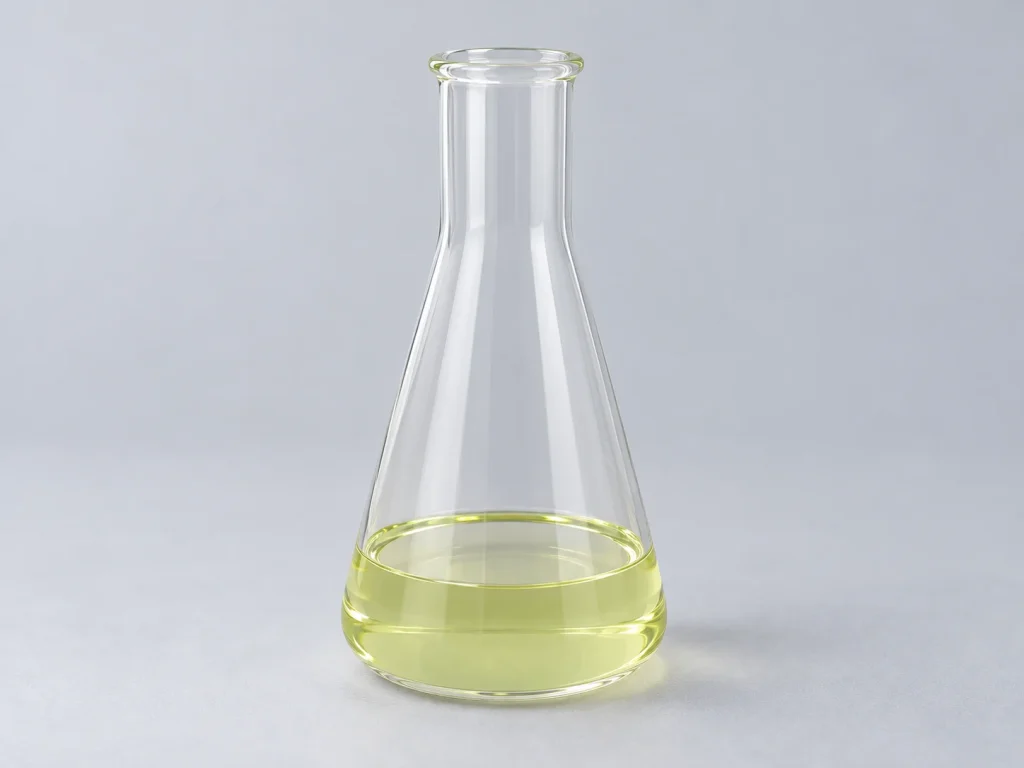
Mould remover for leather and other surfaces AEM2900
For cleaning mould on the surface of leather and other objects, the surface treatment process is formulated according to the material and coating state.
View product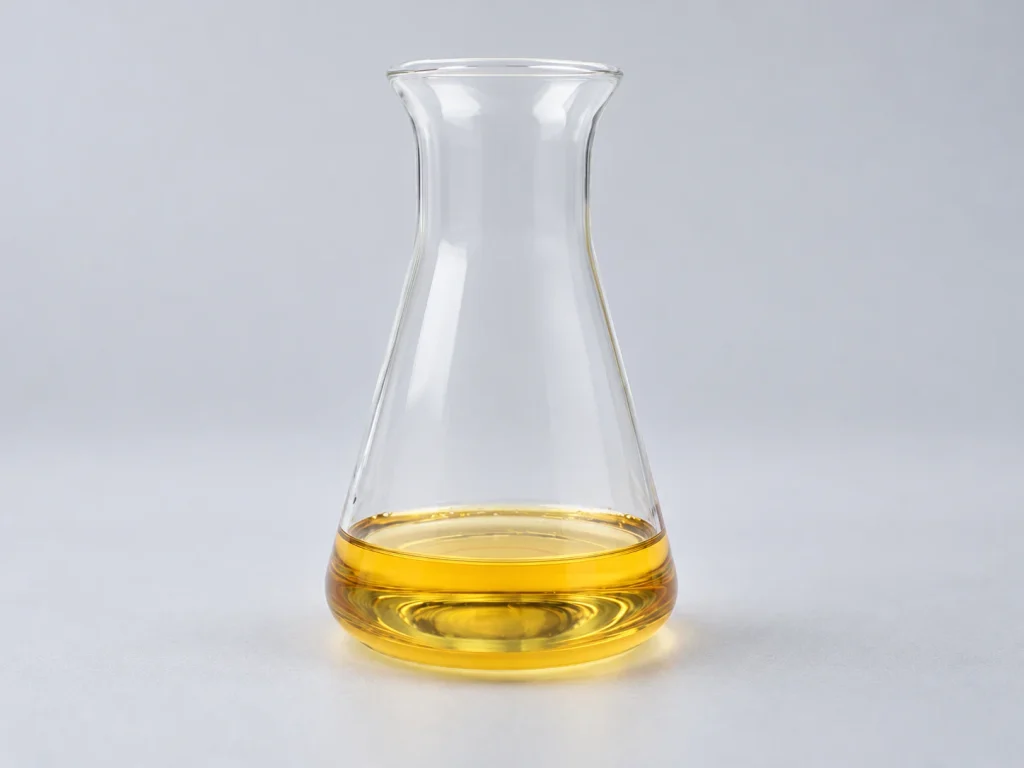
Powerful mould remover CM2900
Alkaline mould removal liquid with pH 10~11 can be used to treat mould on wood, walls, stone, ceramic tiles and other materials.
View product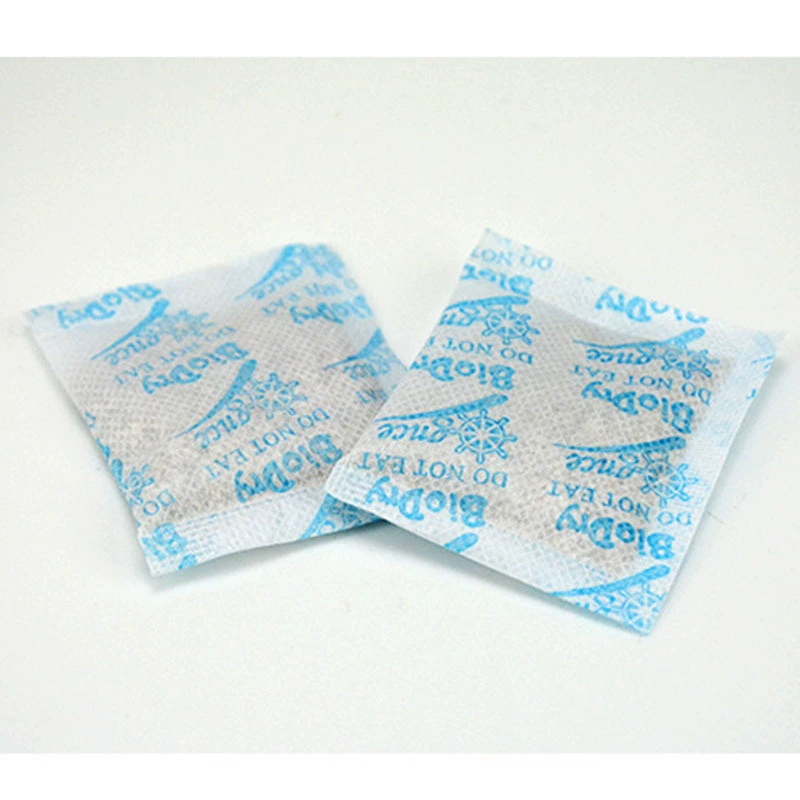
Biochemical desiccant
It is used to absorb moisture from repackaged finished products, and is used in conjunction with paper material replacement, product drying and mould-proof packaging configuration.
View product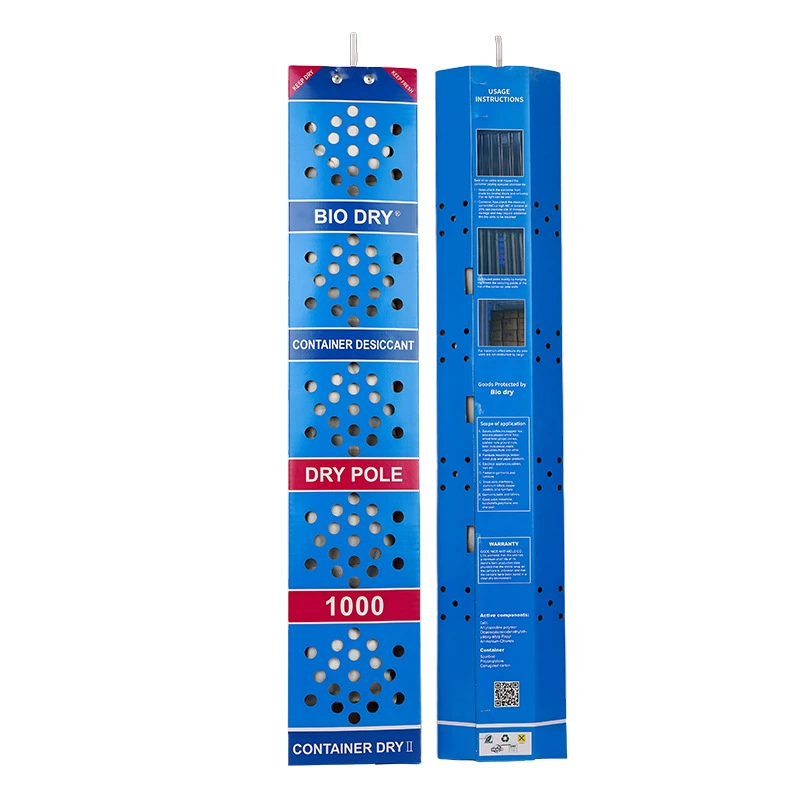
Container desiccant poles
is used for moisture-proofing of ocean shipments after rectification, and provides moisture absorption layout suggestions according to the cabinet, pallet and container loading conditions.
View productPhoto frame flocking back panel · On-site processing record
repacking mould removal and mould prevention treatment process
Regarding the mould spots on the flocking backboard of the photo frame, we used soft brush cleaning, local cleaning and surface anti-mould treatment to evaluate the rework method of the goods, and simultaneously checked the appearance and material status. The following is the complete process of this treatment.
Preparation tools and operational protection
Prepare soft brushes, polishing cloths, disposable rubber gloves and masks. Arrange cleaning tools and subsequent spraying equipment according to the status of the flocking surface.
Wear a mask and gloves when cleaning and spraying; use a soft-bristled brush to avoid damaging the flocking.
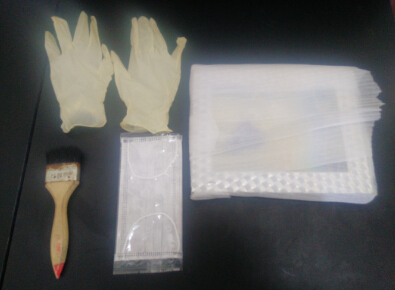
Soft brush, mask and rubber gloves Lightly brush to remove mould on the surface
Use a soft-bristled brush to gently clean visible mould spots, removing the easy-to-remove parts first. If there are still residual areas between the villi, perform partial cleaning.
Areas with severe mould are prone to lint loss, so brushing intensity should be controlled.
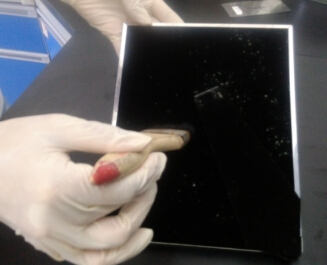
Soft brush for gentle cleaning 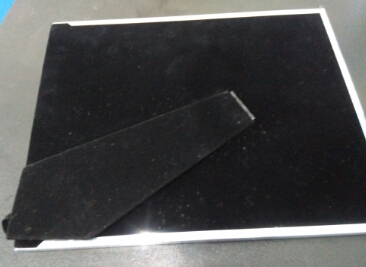
Local residue after initial cleaning Clean the area, wipe lightly and wait to dry
Use foam detergent in areas that are difficult to clean, use a soft brush and a polishing cloth to gently wipe, and let dry after cleaning.
The cleaning agent action time for this treatment is about 30 seconds; the specific process is confirmed according to the material status and product usage requirements.
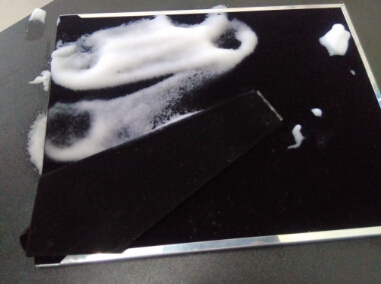
Foaming Cleanser Spot Treatment 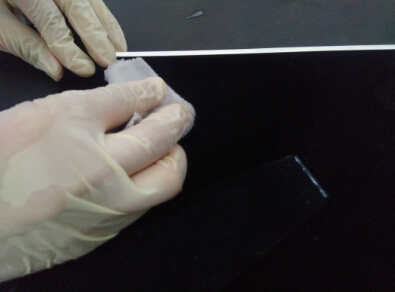
Gently wipe the surface with a polishing cloth Spray evenly and add anti-mould treatment
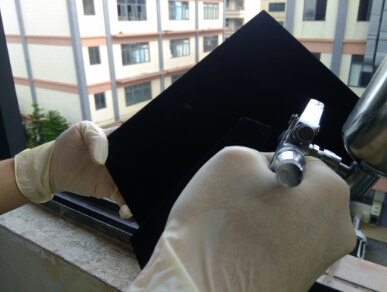
After the cleaned backboard is dry, use spray equipment to evenly and fully spray the anti-mould and antibacterial spray on the surface and wait until it dries again.
This processing uses AEM5700-F+. The actual order dosage and spraying conditions will be confirmed by technicians based on the materials.

Spray evenly after drying 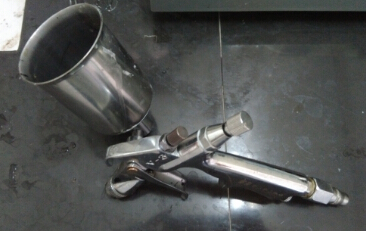
Matching spray tools 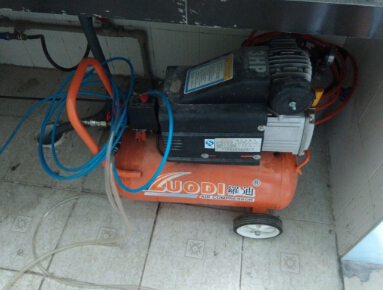
Supporting air compression equipment
Comparison before and after treatment
Compare the flocking side with the other side of the backboard to check the surface condition after cleaning the mould spots.
flocking surface
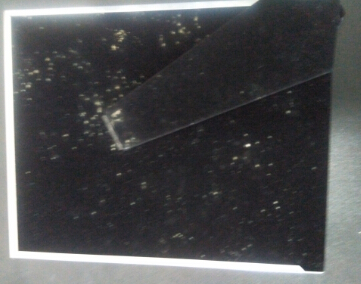
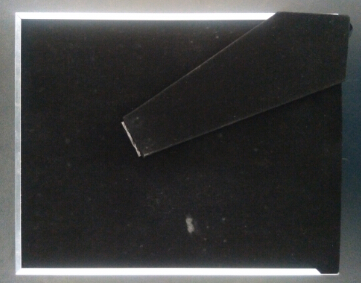
The other side of the back panel
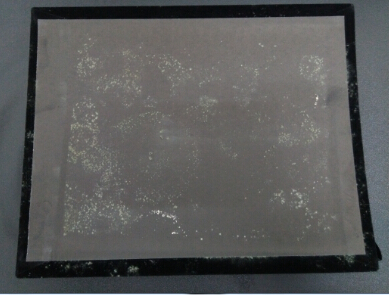
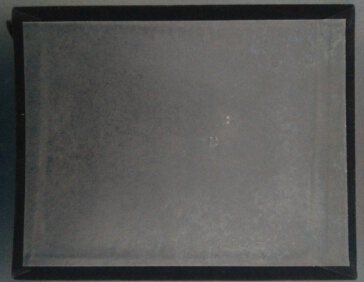
In the picture, part of the velvet has fallen off due to excessive scrubbing. Cleaning cannot restore the lint loss. The material status and appearance requirements should be confirmed before rework, and the mould spots and flocking integrity should be checked at the same time after treatment.
From repacking processing to subsequent order rectification
Develop sorting and processing plan
Divide the treatment paths according to materials, mould spots and surface conditions, and determine the mould removal, drying and packaging processes through the treatment samples.
Connect finished product drying and repackaging
Incorporate seams, inner cavities and stacking parts into the drying process, complete with replacement of paper materials, anti-mould materials and hygroscopic materials.
Improve production and shipping measures
Implement the cause analysis into specific processes such as material selection, adding or finishing, drying, packaging and container loading.
Track subsequent batches
Combined with sample retention, operation records and arrival status review and rectification measures, we will continue to optimize the anti-mould configuration of similar orders.
Similar materials and on-site processing practices
Frequently asked questions
What does the repacking rectification service include?
Including abnormal goods sorting and material analysis, mould removal product and process matching, drying and repackaging, and subsequent production and transportation mould prevention measures. We arrange corresponding technical cooperation according to on-site conditions.
How to choose mould removal products for leather and wood?
AEM2900 is suitable for cleaning mould on the surface of leather and other objects, and CM2900 is suitable for materials such as wood, walls, stone and ceramic tiles. Engineers select products and construction methods based on materials, coatings and mould conditions.
How do you analyze the causes of mould?
Compare moldy samples, normal samples from the same batch, complete packaging and on-site photos, analyze mould spots and moisture paths based on production drying, warehousing and shipping data, and determine the materials and processes that should be prioritized for rectification.
How to implement subsequent orders after rectification?
We organize the analysis results into production and shipping measures, including material mould prevention, drying connection, packaging protection and container loading moisture absorption configuration, and combine it with the sample retention and arrival status optimization plan for subsequent batches.