
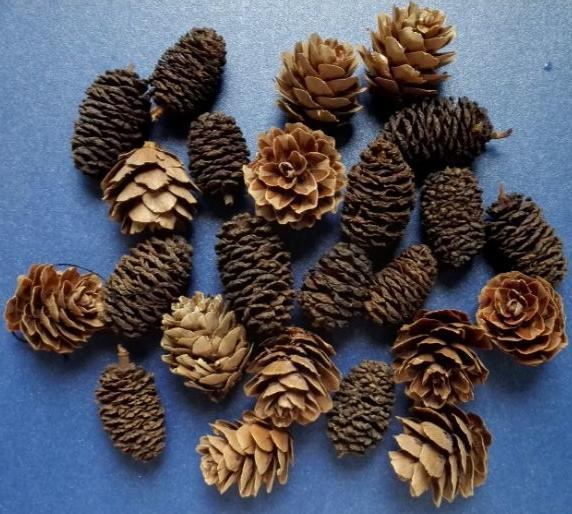
The scale structure makes pine cone processing different from ordinary boards
The scales of pine cones are stacked and have many gaps, and the contact and drainage methods of the treatment liquid are different from those of ordinary boards. We design the soaking and drying process according to the structure of natural materials, taking into account the impact of fibers, oils and resins on processing.
We start by grouping the incoming materials, observing the material status, debris between the scales and moisture, and supporting the soaking sample and processing procedures.

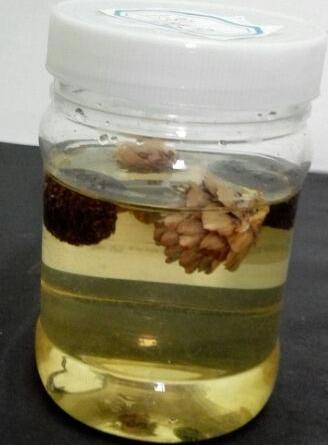
bamboo and wood antifungal agent soaking treatment
The related plan uses bamboo and wood antifungal agent to prepare treatment liquid, and connects drainage and drying after soaking. The figure records the process sample in which the pine cone comes into contact with the treatment liquid.
We provide liquid preparation, soaking and drying suggestions based on pine cone size, dry and wet status and subsequent processing, and establish processing conditions based on corresponding batch samples.
Continuous arrangement of soaking, draining and drying
After soaking, arrange drainage and drying continuously, focusing on covering the bottom of the scales, overlapping gaps and mutual contact parts to shorten the storage time of wet materials.
We check the drying state of the bottom, internal gaps and overlaps, and then connect the decoration processing and packaging after completing the material observation.
Decoration processing and packaging should also use processed samples
For dyeing, bonding and other decorative operations, use pine-cone samples that have completed anti-mould treatment and drying. Compare colour, appearance and processing compatibility to establish the complete process.
Clean and dry the pine cones and accessories before packaging, and configure mould-proof and moisture-proof materials according to the packaging space and storage and transportation conditions.
Material grouping and process records
The sample should retain the incoming material status, treatment liquid configuration, soaking method, drying arrangement and subsequent processing conditions. In this way, when comparing different batches of pine cones, we can distinguish whether it is material differences or process changes.
We divide the processing paths according to the mould, discolouration and structural status of the incoming materials, support the soaking, drying, decoration and packaging processes, and optimize the protection based on the observation of finished product storage and transportation.
Frequently asked questions
Can the pine cones be sealed and packaged immediately after soaking?
The corresponding drainage and drying should be completed first, and the scale gaps and contact positions should be checked. Direct packaging of wet materials will leave moisture inside the packaging.
How to process pine cones after soaking?
We compare the dryness, colour, appearance and subsequent processing status of the scale gaps, and provide supporting decoration processing and packaging solutions.
How do you adjust the process when the batches of pine cones change?
We adjust the soaking and drying arrangements based on the wet and dry state, scale structure and decoration processing requirements of the new batch, and establish production conditions with the corresponding samples.
Updated: 2026-10-29