
Moisture absorption and cargo protection inside the container for ocean shipping
Temperature changes during ocean transportation will affect the state of moisture inside the container. Condensation may appear on the roof, side walls and drip to the outer box. We provide container drying rods that absorb moisture inside the container and prevent moisture during container loading, reducing the risk of moisture during storage and transportation.
Engineers combine the cabinet type, cargo and paper materials, wooden pallets, route seasons and transportation cycles to configure hygroscopic materials and layout methods. Inside the container, the drying rod and the desiccant in the package serve the container space and finished product packaging respectively, forming layered moisture protection.
inside the container and hygroscopic products in the packaging
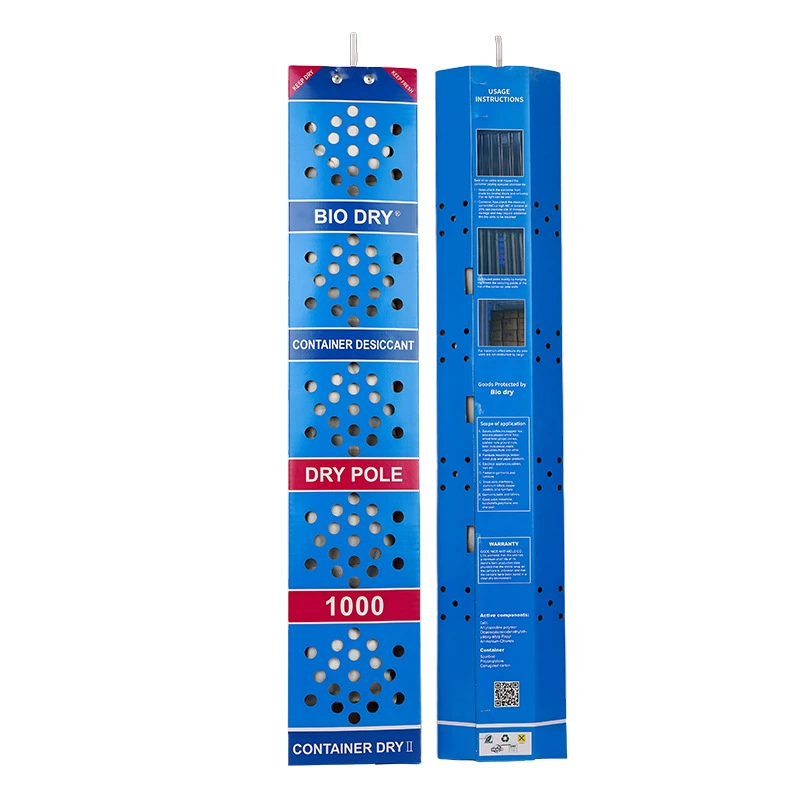
Container desiccant poles
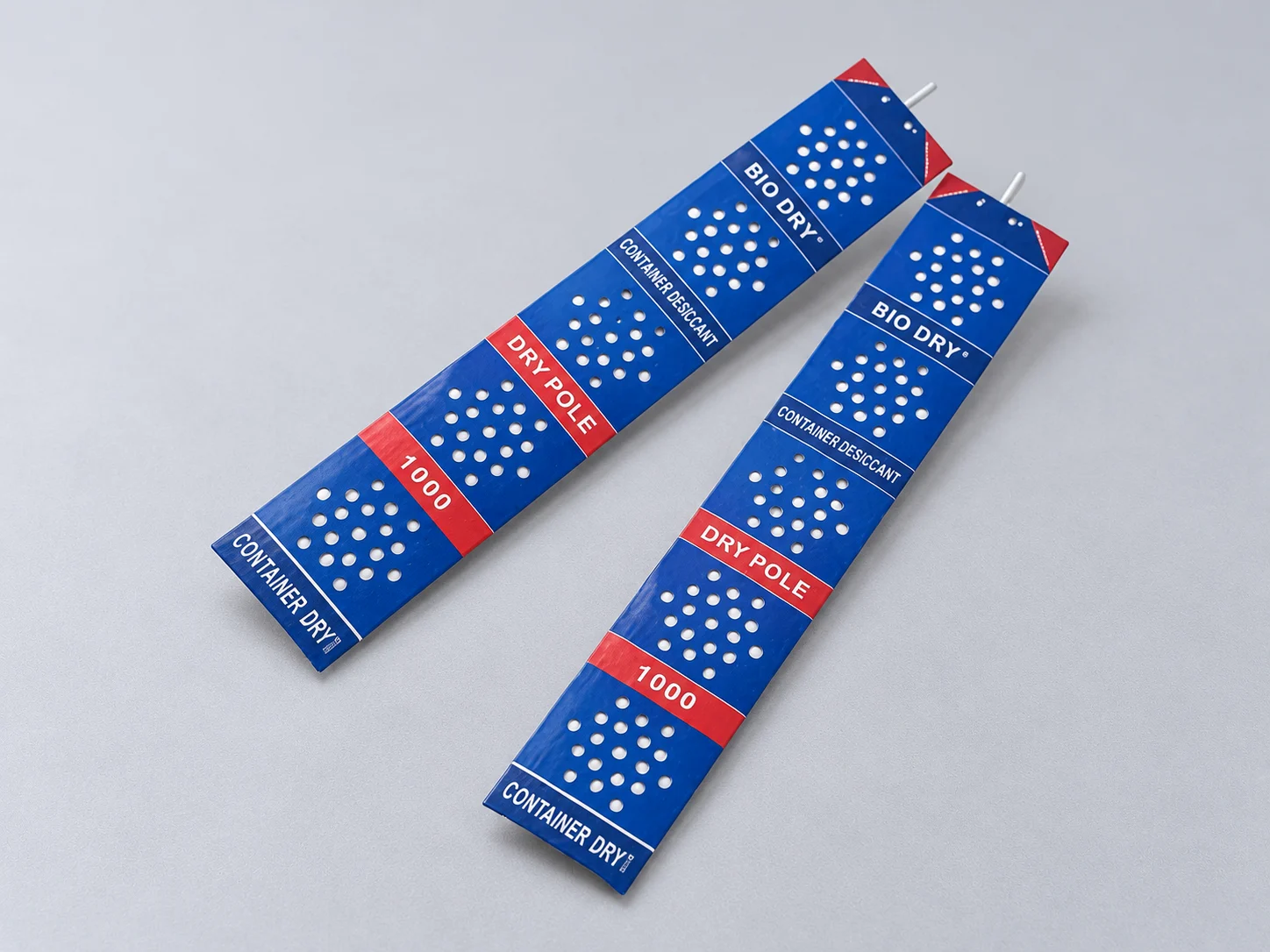
This page shows 1000g mineral montmorillonite strip drying rods, which are used to absorb moisture in container spaces. The matching suspension method is adopted to facilitate access to the container loading process.
View product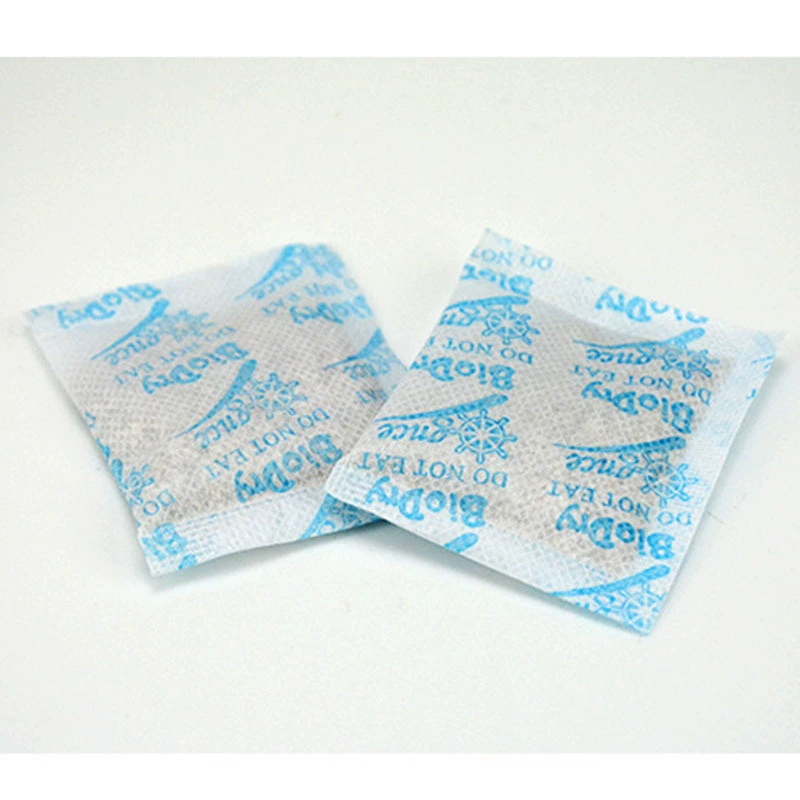
Biochemical desiccant
It is used to absorb moisture inside the finished product packaging and can be matched with the drying rod inside the container. Configuration covers moisture introduced into the product, paper and packaging space.
View productcontainer loading links covered by the moisture-proof solution
| parts | Technical work | Plan content |
|---|---|---|
| Cabinet top, side walls and door seals | Identify condensation locations, water trace paths and cabinet sealing conditions. | Put forward suggestions for moisture source rectification and moisture-proof layout based on the cabinet status. |
| Cabinet bottom and wooden pallet | Analyze moisture introduced by floors, pallets and loads. | Incorporate pallet drying and storage conditions into container loading fits. |
| Finished product and outer box | Analyze the moisture content and packaging of the product, carton and lining. | It is equipped with hygroscopic materials inside the box and inside the box to connect with production drying. |
| Hygroscopic materials and fixing points | Determine the orientation of the hanging, fixed and hygroscopic surfaces according to the product structure. | Provide recommendations on drying rod specifications, quantity and location inside the container. |
Container moisture-proof configuration and implementation
Shipping condition analysis
Engineers analyze the moisture load of goods and packaging based on container type, loading, route, season and transportation time.
Hygroscopic material configuration
Configure the drying rod and the desiccant in the package according to the use space, and clarify the product specifications, quantity and combination.
container loading layout coordination
Provide suggestions for hanging and fixing positions, and record product models, installation quantities, and layout photos in conjunction with container loading.
Arrival status analysis
Compare the container loading record with the damp location of the arriving goods, analyze condensation, leakage or moisture introduced, and optimize subsequent shipping plans.
Moisture-proof, surface mould-proof and abnormal goods rectification
We configure products according to tasks: drying rods manage moisture inside the container, packaging materials protect the internal space of finished products, and AEM5700-B is used to prevent mould on the surfaces of warehouses and corresponding spaces. Abnormal goods can be rectified through repacking, complete with mould removal, drying and repackaging.
Similar materials and on-site processing practices
Frequently asked questions
How do container drying rods work?
Drying rods participate in moisture-proofing the container by absorbing moisture inside the container. We combine the moisture brought in by goods, cartons and wooden pallets to design material specifications, quantities and arrangements to match the container loading process.
How to configure hygroscopic materials for 20-foot and 40-foot cabinets?
The engineer will give the corresponding specifications and quantity based on the cabinet type, loading conditions, moisture content of the goods and packaging, route season and transportation cycle. Configuration recommendations also include a location inside the container to facilitate container loading execution.
How to install the 1000g mineral drying rod?
Use appropriate hanging points inside the container to hang and fix according to the product structure, keeping the breathable and hygroscopic surface exposed. We provide installation location recommendations based on container structure and loading layout.
How to match the desiccant inside the container with the box?
inside the container The drying rod serves the container space, and the small package inside the box serves the finished product packaging. We combine the inner bag, carton and pallet structures to configure them separately, and then connect them with the sealing and container loading processes.