
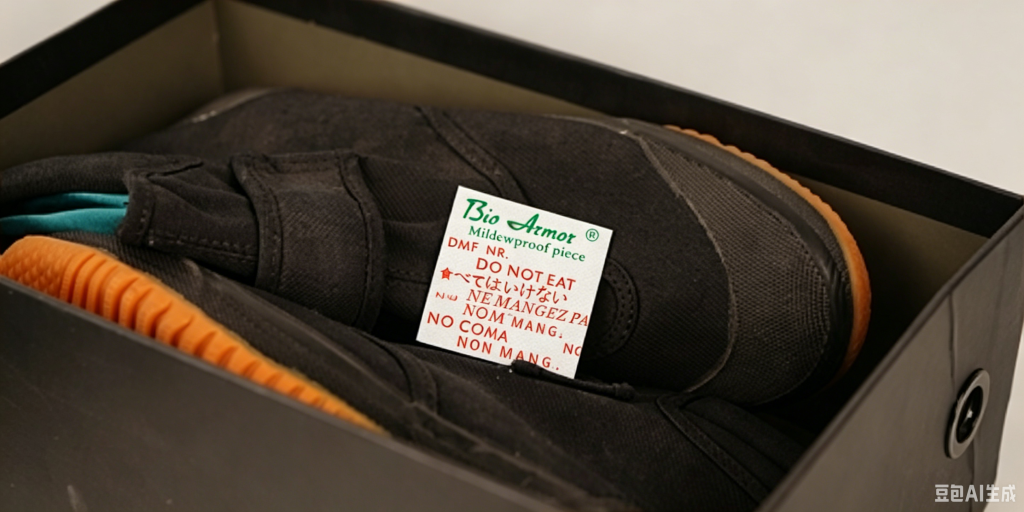
Remove residual moisture before packing shoes into boxes
We will link the joints, heels, linings and other water-prone parts with the water-based glue process, and connect drying, cooling and boxing to reduce the introduction of moisture into the packaging of finished products.
After the thermal laminating materials are cooled and dried, they are then bagged and boxed. The finished products, paper plugs, packaging paper and outer boxes are subject to moisture management according to their respective material requirements.
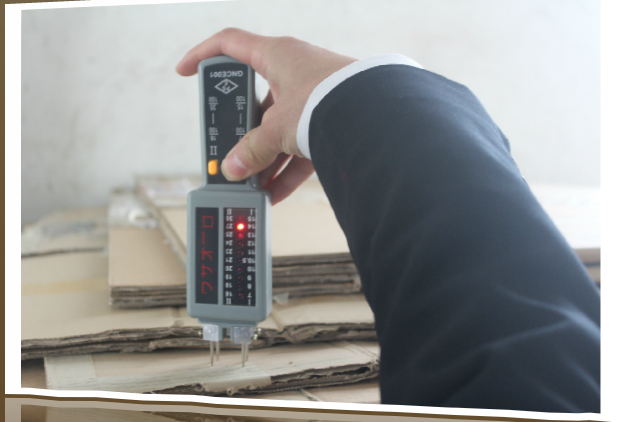
Heels, laces and fit should be inspected individually
According to the moisture absorption and drying characteristics of the parts, we trace the materials and processing from the locations of repeated mould growth, and locate the processes that need adjustment.
- Clad leather and wood heels: Check the drying conditions after incoming materials and glue application. After finishing the surface oil treatment, dry them first before entering the waxing process.
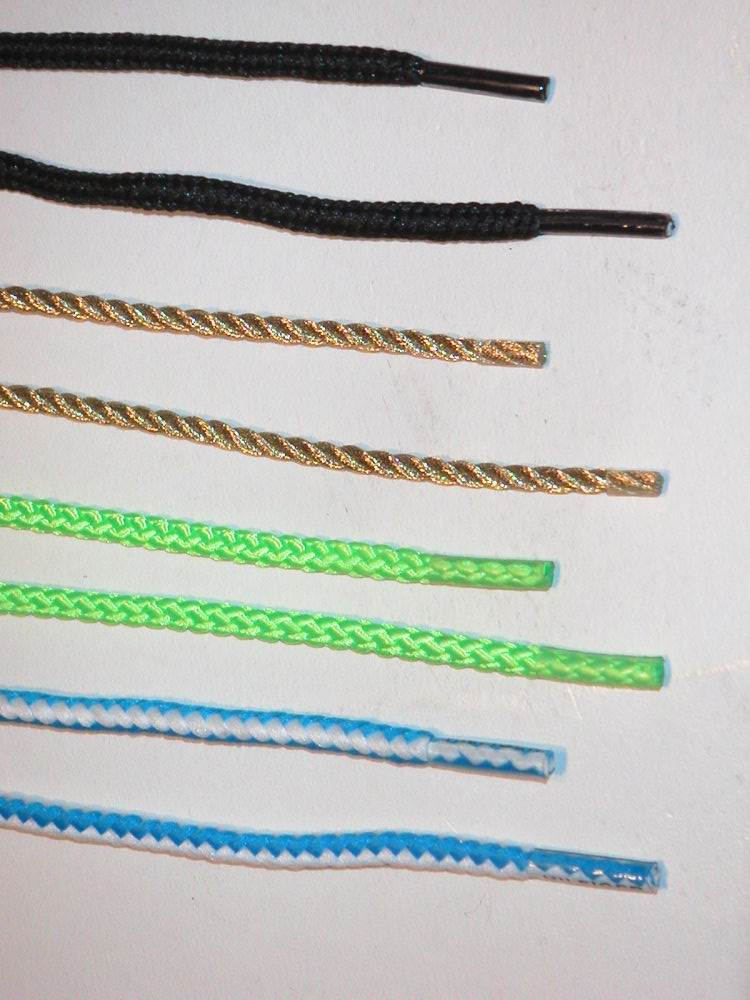
- Shoelaces: connects the moisture absorption, gluing and waxing processes, and is mixed into the finished product after drying.
- Mesh, lining and lamination: seal the bag after drying and cooling the glue layer to reduce moisture retention.
Connect wrapping, placing and sealing into a continuous process
The anti-mould paper, anti-mould card and anti-mould package are arranged according to the inner packaging structure. Access when boxing and seal as soon as possible after completion to reduce exposure of materials and finished products to the open environment.
- Use dry and clean shoes, paper plugs and shoe boxes to complete packaging, and classify and handle moisture or contaminated packaging materials.
- When using mould-resistant wrapping paper, wrap completely to the size of the shoe, checking corners and openings for coverage.
- When using anti-mould card or anti-mould bag, put it in the designated place during the final packaging process, then cover the box and seal the bag in time.
- Take out the anti-mould materials according to the amount used on the shift, and the remaining materials should be resealed and stored according to the requirements of the corresponding model.
After packaging is completed, warehousing and container loading continue to be controlled
The boxed finished product must still be protected from moisture reabsorption from the floor, walls and humid air. Use pallets or shelves for isolation during warehousing, keep aisles clear, record changes in temperature and humidity, and isolate damp or moldy goods in a timely manner.
Before container loading, check the cabinet door seal, top and floor, and complete leakage and loading and unloading rainproof inspection; inside the container, moisture absorption is matched according to the shipping schedule, cargo and loading layout, and is connected to the protection inside the box.
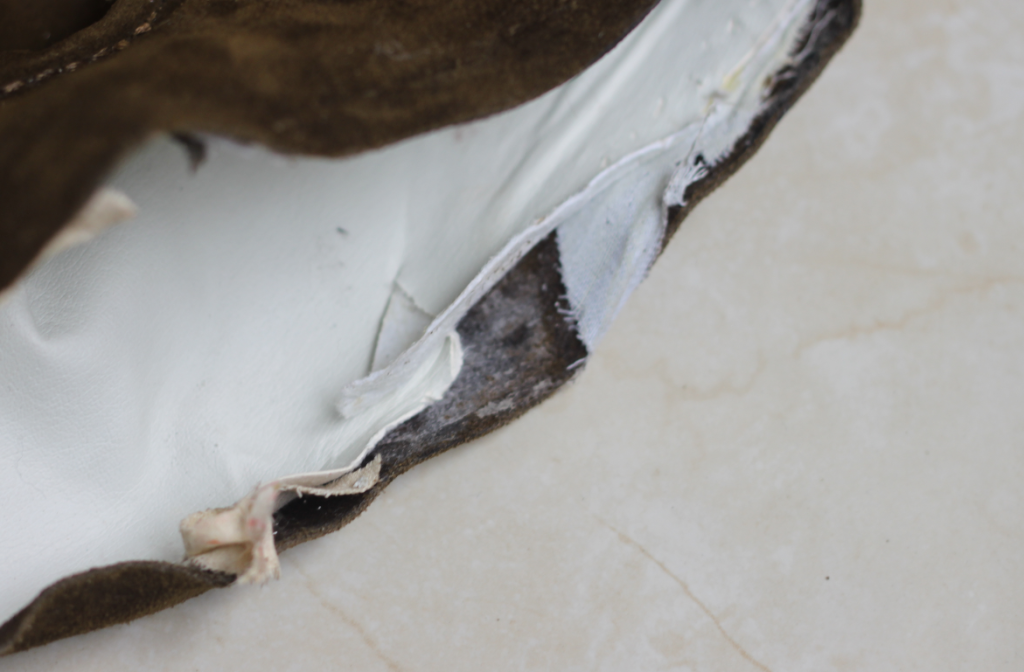
If mould spots are found, deal with the problem goods first and then resume packaging.
We design repacking according to the moldy parts and material conditions. We compare the residual colour, surface and adhesive parts after cleaning to form a mould removal, mould prevention, drying and repackaging process.
Replace damp or contaminated paper inserts, linings and shoe boxes. Complete local processing and appearance comparison of representative shoe materials to establish rework conditions. At the same time, implement incoming materials, glue and warehousing rectification.
Related technical practices
Frequently asked questions
The shoe upper feels dry to the touch. Can it be boxed directly?
We jointly check the uppers, heels, linings, shoelaces and glue parts, and provide cooling and drying after thermal bonding, as well as paper plugging and moisture management in shoe boxes.
How to wrap finished footwear with mould-proof paper?
Wrap the anti-mould paper according to the size of the shoe, cover the corners and connect it to the box. Engineers design paper specifications and packaging configurations based on complete wrapping or padding.
Should anti-mould bags be put into empty shoe boxes in advance or last?
Usually take out and put in the final packaging of the finished product, and then seal the shoe box or inner bag in time. Placing it in an open empty box for a long time in advance will increase the exposure of the material to the air; unused materials should be sealed and stored according to the requirements of the corresponding model.
How is packaging protection restored after an inspection during transport?
After unpacking the goods, check the status of the finished product, sealing and mould-proof package, replace exposed or damp materials or handle them according to product requirements, and then resume packaging.
Can moldy shoes be shipped after being replaced with mould-proof packaging?
We classify abnormal shoe materials, arrange local cleaning and damage assessment, connect sufficient drying, replacement of contaminated packaging materials and visual inspection, and form a repackaging and delivery process.