
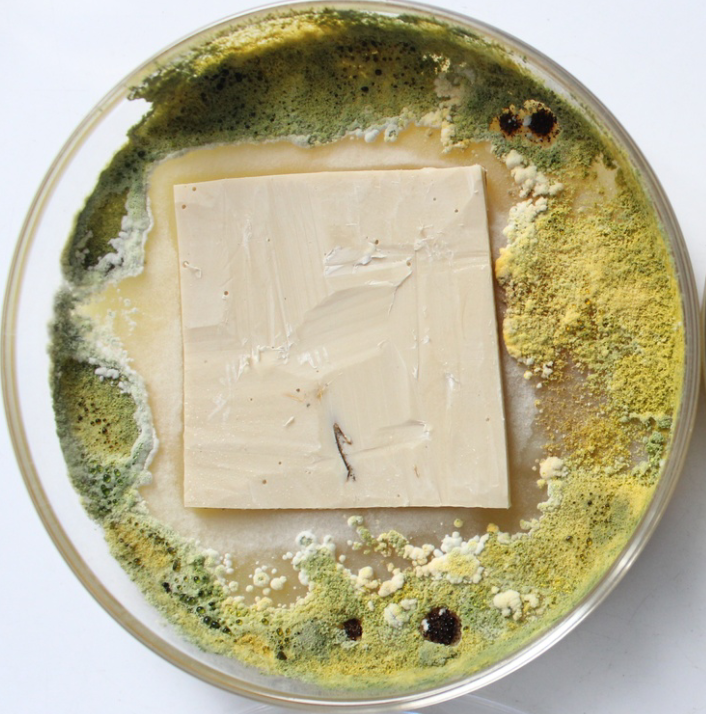
First distinguish the skin type, surface layer and moldy location
We check the grain, flocked surface, fit backing, seams, seams and lining. In the past, handbag samples have been affected to different degrees on the inside and outside, and mould has concentrated in the gaps between metal buckles. The treatment plan was formulated based on the leather type, finish and mould distribution.
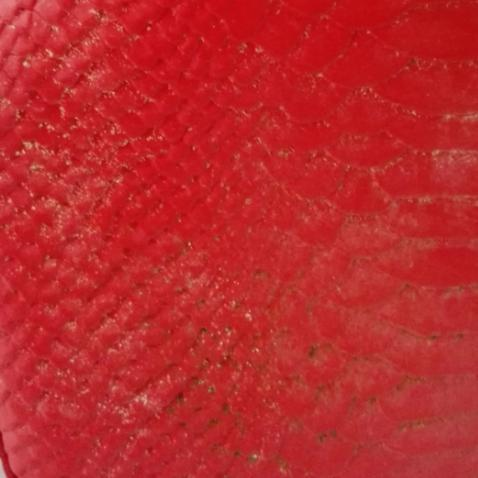
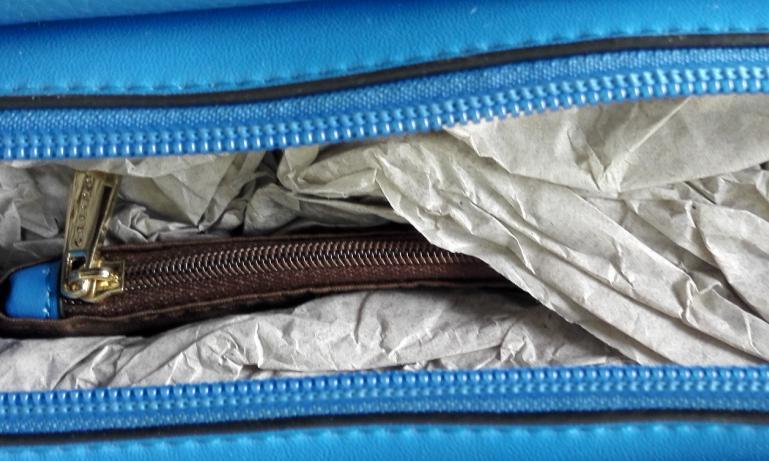
Grained surface and flocked surface adopt different processing ideas
Sheepskin records are arranged for grain surface wiping and flocked surface spraying respectively. We use the same batch of materials to carry out partial treatment, compare fading, water marks, gloss, coating and dry feel, and support the processes of light-coloured leather, suede leather and coated leather.
Separate selection of leather processing and finished product reprocessing
AEM5700-PF-3 can be selected for leather production, AEM5700-F can be selected for mould prevention on the finished product surface, and AEM2900 can be used to clean the existing mould spots. We connect cleaning, drying and subsequent protection, and classify damaged materials.
From drying, new packaging to restocking
Replace the contaminated filling paper and packaging, and repackage the finished product after it has been processed and fully dried. We combine bag and box protection, moisture absorption for long-distance transportation with fixed-point re-inspection of warehousing, and follow up on the original sutures and the location of mould inside.
Related technical practices
Frequently asked questions
Can sheepskin grain and flocked surfaces be treated together in the same way?
The grained surface is wiped according to the coating, and the flocked surface is treated according to the liquid absorption and velvet feel. We compare the colour and feel after drying to form a corresponding process.
What are the main things to look for in light-coloured leather samples?
Compare the colour, uniformity, water mark, gloss and feel before and after treatment, and check whether the surface layer has changed; the control sample and the treated sample should be from the same batch of leather.
Can leather antifungal agent restore damaged leather?
Existing mould spots are classified according to cleaning fit and material damage. Structural damage, severe discolouration and deteriorated leather are included in the assessment of rework or replacement.
What areas does leather goods rework cover?
We will inspect the outer skin, inner lining, shoulder straps, metal buckle gaps and filling paper. Affected packaging materials will be replaced simultaneously and kept clean and dry.