

First find out where moisture and contamination enter the packaging
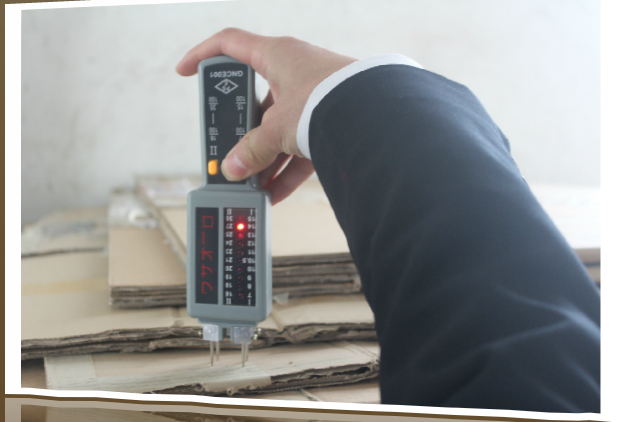
Packaging mould prevention starts from the state of the finished product and packaging materials. We first check whether the finished product is dry, whether the carton, lining and filling absorb moisture, and whether it comes into contact with the ground, wall or moist air before and after packaging.
We jointly check the moisture and contamination status of finished products, cartons and linings, and combine drying, packaging, mould-proof and moisture-absorbing configurations to provide storage and transportation protection.
Arrange anti-mould materials according to contact mode and packaging space
The anti-mould paper is wrapped according to the size of the finished product, the anti-mould card and the package are arranged in a relatively sealed space, and the desiccant is responsible for absorbing moisture in the space. Engineers bring water according to materials and match the packaging structure.
We provide specifications, quantities and packaging suggestions for each layer of packaging based on the structural design combination and location of the contact surface, inner bag and outer box.
Take it in the final packaging process and seal it in time after putting it away.
The packaging line connects material picking, placement and packaging, and the remaining materials are sealed and stored in a timely manner to reduce early exposure and moisture absorption.
- Take complete packaging materials according to the needs of the shift, and use the placement and packaging process of the corresponding model.
- The anti-mould paper is wrapped according to size, and the anti-mould card and package are placed in the designated location in the final packaging process and sealed in time.
- After placement is completed, seal the inner bag, carton or outer packaging in a timely manner to maintain the planned packaging structure.
- The remaining materials should be resealed and stored in a timely manner, and arranged for next use according to the corresponding product requirements.
Cartons, linings and fillers are accepted together
Packaging materials must be inspected for cleanness, dryness, and mould spots before being put into storage. Pallets or shelves are used to isolate moisture, and space for inspection and turnover is reserved.
Cartons, linings and fillers that are damp or moldy are classified and processed or replaced. The finished products are packaged in a timely manner after drying. Warehousing is coordinated with moisture-proofing during the rainy season, leakage rectification and packaging material sealing management.
Before unpacking inspection and container loading, review the packaging protection status
After unpacking and inspecting the goods midway, check the finished product, sealing and material status, classify or replace materials that are damp or exposed for a long time, and then restore packaging protection.
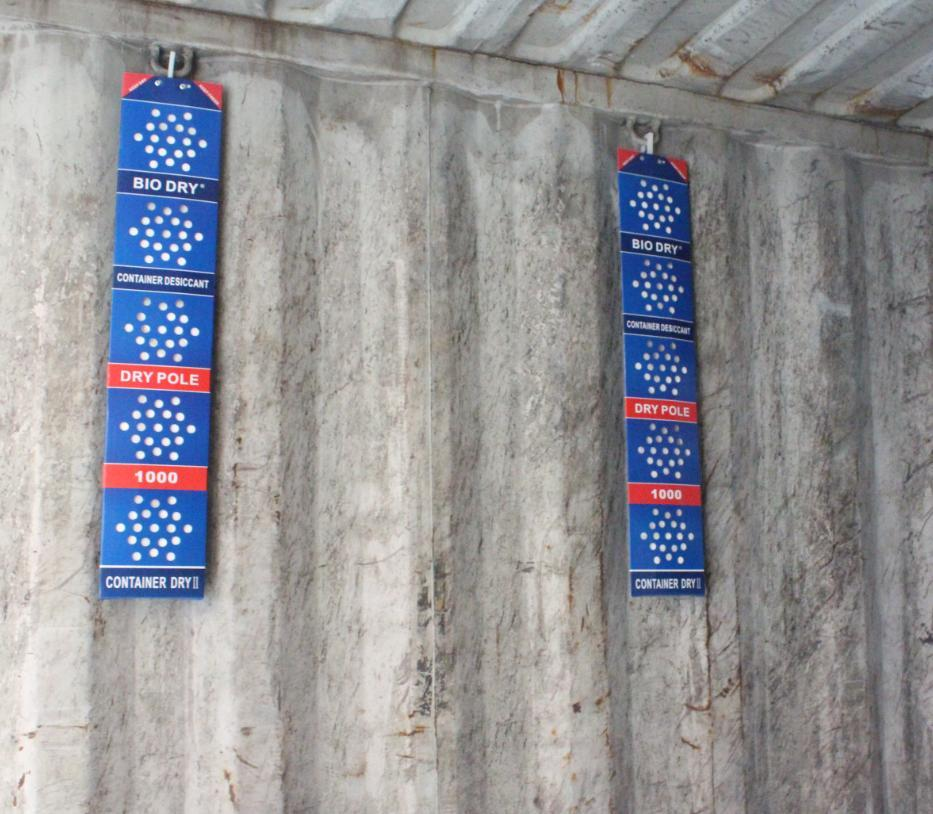
The shipping plan combines cabinet drying, leakage and loading and unloading rainproof inspection with moisture absorption inside the container. It is configured according to the cargo and shipping schedule, and connects the inner packaging with mould prevention.
Related technical practices
Frequently asked questions
How to differentiate between anti-mould paper, anti-mould card, anti-mould bag and desiccant?
Anti-mould paper is used to wrap finished products, sheets and anti-mould bags are used to prevent mould in relatively sealed spaces, and desiccant is used to absorb moisture. We combine and match materials according to materials, packaging space and transportation cycle.
The product is not completely dry yet. Can adding a few more packs of desiccant solve the problem?
We will connect the dry production, moisture-containing lining and moisture-proof packaging, and then configure the corresponding hygroscopic materials to form a moisture-proof packaging process.
How should a batch of unused anti-mould materials be stored?
After use, the remaining materials should be sealed in time and stored in a dry and cool place. The opening and use time should be managed according to the model instructions. The packaging line should check the status of the materials and outer bags.
How to deal with damp cartons and linings?
The damp cartons and linings are classified and processed. After drying and contamination inspection are completed, they are used according to packaging quality requirements; clean and dry packaging materials are packaged together with the finished products.
How to combine mould prevention and moisture absorption inside the container for shipping?
The material inside the box protects the single product packaging, and absorbs moisture inside the container to cover container moisture and temperature difference condensation. We combine the container condition, loading and unloading rain protection, voyage range and cargo layout to design two layers of protection.