
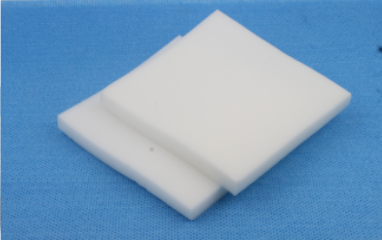
Antibacterial materials and process matching for foam products
We provide antibacterial additive materials and formulation technical services for shoe materials, floor mats, yoga mats and cushioning foam materials, integrating antibacterial components into the mixing, foaming and moulding processes.
EVA, PVC and PU set the material and process development routes respectively. Engineers match products around substrate, foaming system and product use, incorporating antibacterial functions into formula development along with cells, density, resilience and appearance.
Foaming antibacterial products and application directions
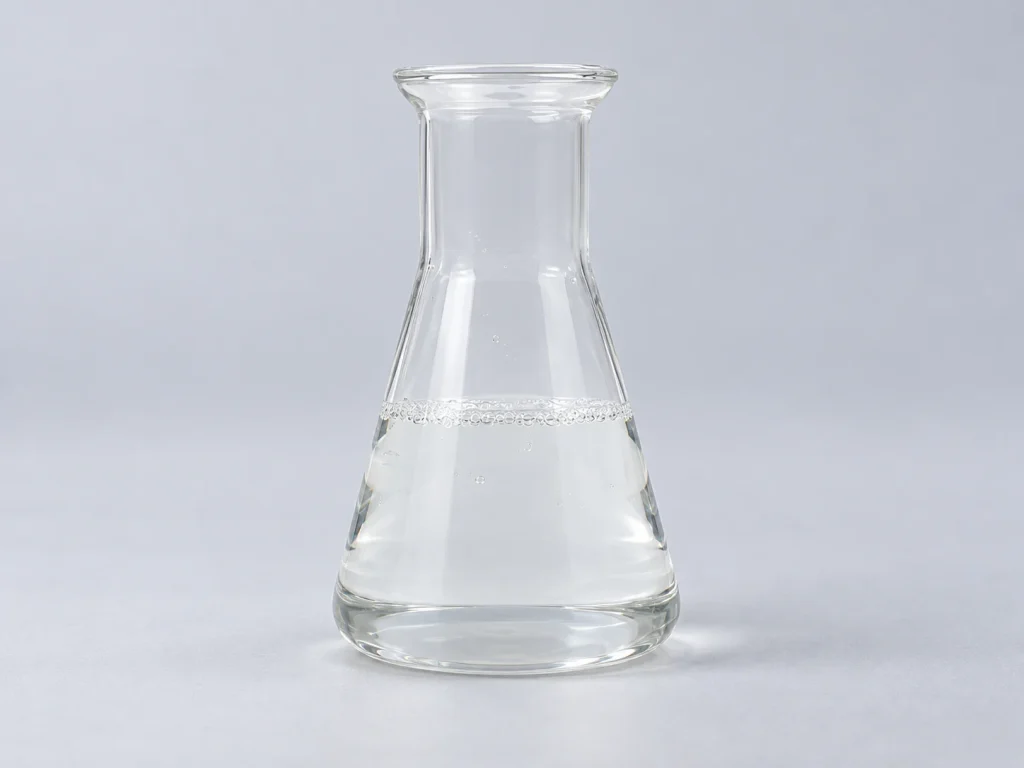
Foam material antibacterial agent AEM5700-BF
Applied to the antibacterial addition of corresponding EVA, PVC and other materials. The reference amount of EVA foaming added is 0.3% to 1%, supporting the mixing and foaming moulding process.
View product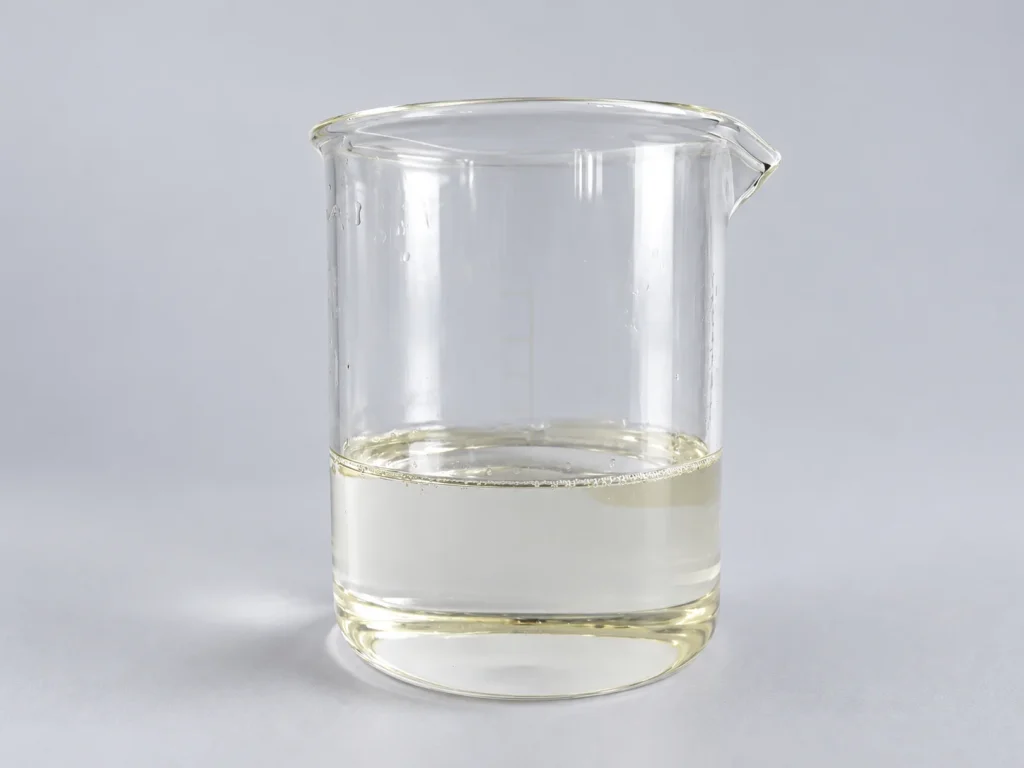
Plastic and EVA foam antibacterial agent AEM5700-A06
Used for antibacterial addition to plastics and EVA foam materials, with a reference proportion of 0.3% to 0.8%, and supporting dispersion, cells and product application testing.
View product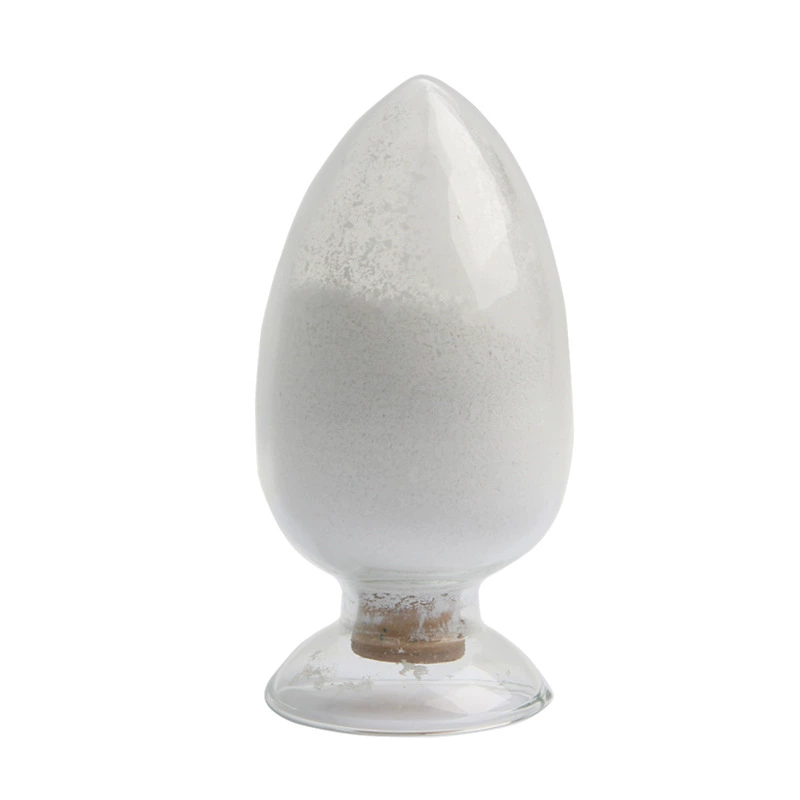
AEM5700-Z1 Antibacterial Powder
White antibacterial powder, used in corresponding PVC and EVA foaming formulas. We provide material adaptation and processing suggestions for Z1 models.
Consult this modelDevelopment content of different foam materials
| Material direction | Products and processing routes | Supporting technical services |
|---|---|---|
| EVA foam | The reference amount of BF addition is 0.3% to 1%; the reference amount of A06 is 0.3% to 0.8%, connecting the mixing and foaming moulding. | Dispersion process, cells, density, rebound, size and antibacterial function testing. |
| PVC foam | Combine plasticization, stabilization and foaming systems to configure antibacterial materials and powder dispersion routes. | Formula adaptation, surface appearance, cells, feel and moulding process support. |
| PU foam | Carry out antibacterial formula adaptation around soft foam, hard foam and reaction moulding processes. | Additive selection and foaming test, covering cells, density, rebound and antibacterial function of products. |
From foam formula to moulded sample
substrate and recipe selection
Engineers determine the product route based on foam material type, foaming formula, composite structure and finished product use.
Mixing and foaming
Provide antibacterial material metering and dispersion suggestions to connect existing mixing, foaming and shaping processes.
Foam material performance test
Compare cells, density, rebound, colour and size, and analyze the processing and usage performance after adding additives.
Antibacterial and durable applications
Carry out antibacterial testing on the usage surface or corresponding cut surface of the final foam material, and combine it with the durability evaluation for cleaning and abrasion purposes.
Composite foam and multi-functional development
For laminates, coatings or composite foams, we structure our antimicrobial development programs around the actual contact layer. When there is a need for mould prevention or odour control, corresponding products and tests can be matched to implement multiple functions into corresponding materials and processing procedures.
Frequently asked questions
What are the products and dosage references for EVA foam?
The application dosage of EVA for AEM5700-BF is 0.3% to 1%, and for AEM5700-A06 is 0.3% to 0.8%. Engineers provide metering, mixing and moulding recommendations for corresponding models based on substrate and foaming processes.
What technical services do you provide for PU foam?
Carry out antibacterial material adaptation around the formula and reaction moulding route of PU soft foam or hard foam, and support sample foaming, cells, density, rebound and antibacterial performance testing.
How to develop antibacterial coatings and composite foam materials?
Configure antibacterial materials according to the contact layer and composite structure of the product, and clarify the treatment layer, sampling surface and processing procedures. For foam materials used for cutting, the cut surface can be included in the samples and test items.
How to match the antibacterial and antifungal functions?
We set up products and test items for antibacterial, anti-mould and odour control respectively, and then combine the development of material systems and foaming processes to provide corresponding raw materials and application technical suggestions.