
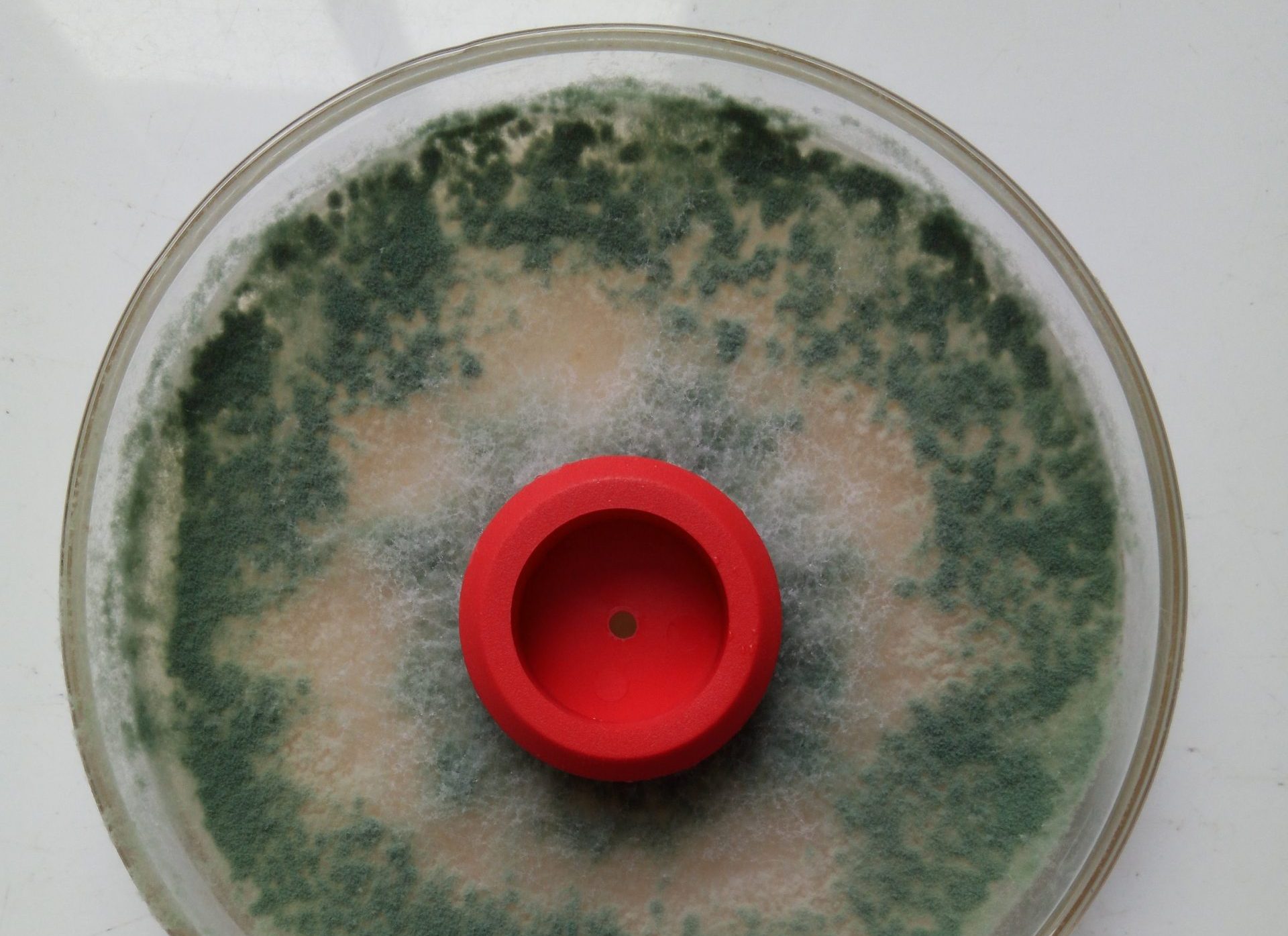
Establishing product mould resistance through raw material processing
We offer additive antifungal agents and material treatment products that integrate the antifungal process into batching, mixing, soaking or textile finishing. Glue, coating, plastic, fabric and bamboo and wood adopt corresponding products and processing routes respectively.
In composite products, we match the material treatment method to the mould-prone parts: adhesive is added during ingredients, the fabric is processed through finishing, and the bamboo and wood accessories are soaked and dried so that the anti-mould solution covers the main risk materials of the finished product.
Production of anti-mould products and applicable systems
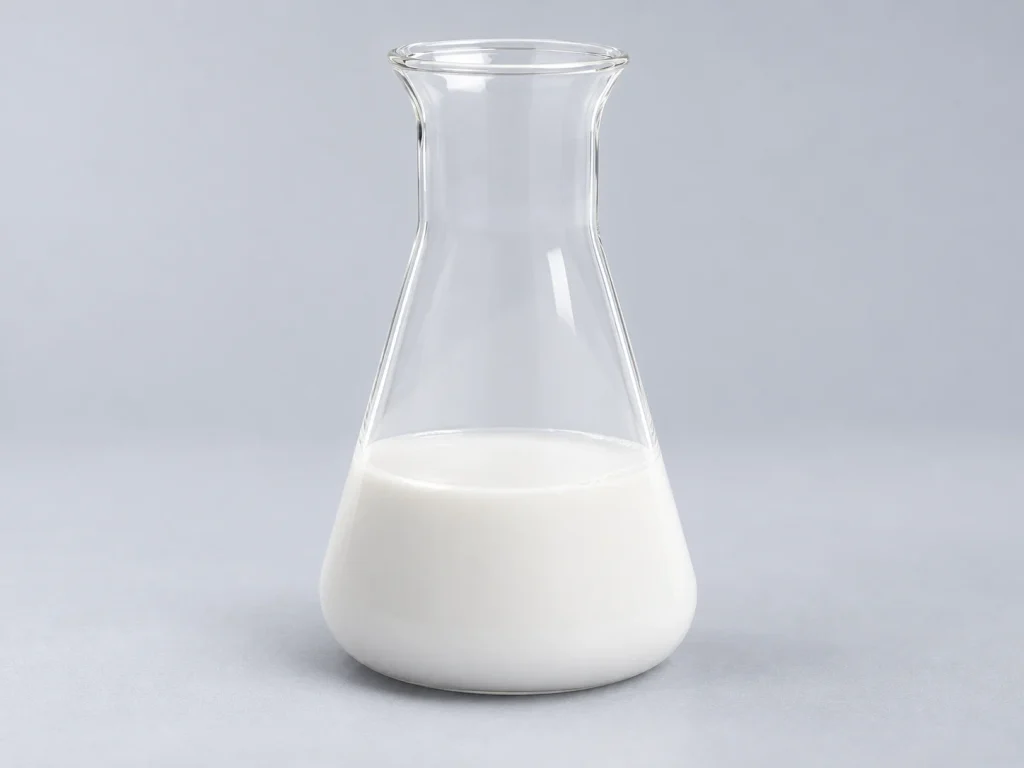
Glue and paint antifungal agent AEM5700-L50
is used in white latex, water-based adhesives and corresponding coating systems, and is added during the batching stage. The recommended amount of white latex used is 0.8% to 1%.
View product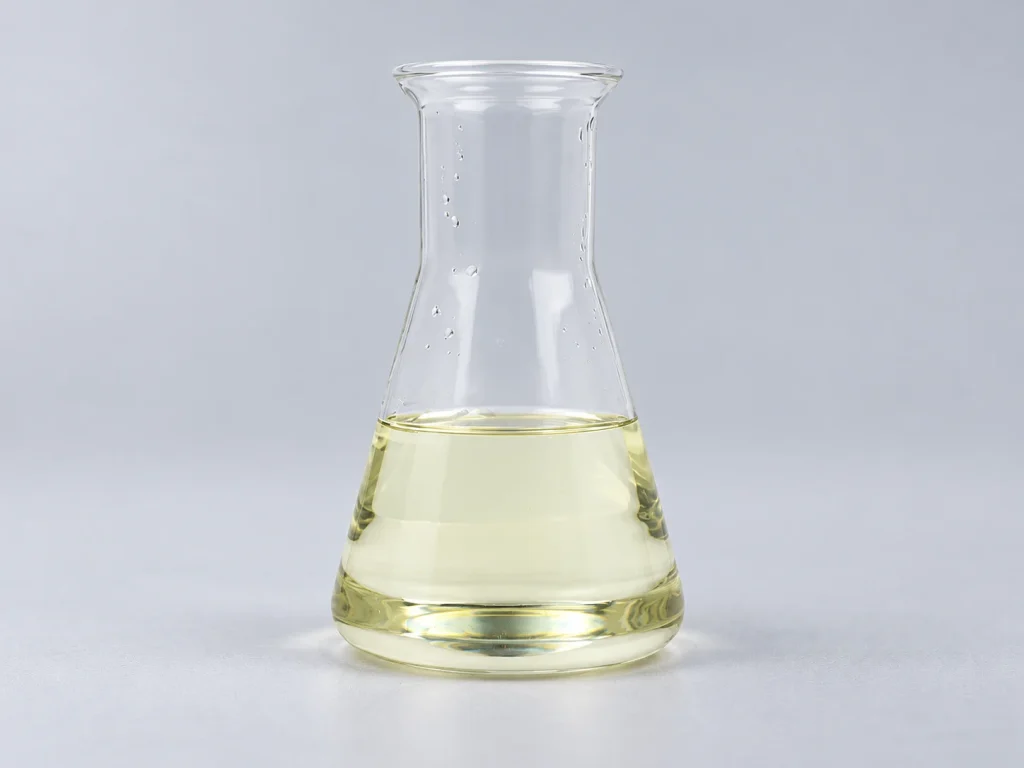
Oil-based antifungal and antimicrobial agent AEM5700-C
is used in paint and oil-based glue formulations, covering the corresponding resin and coating addition processes. Ordinary oily systems and UV varnishes have matching process parameters respectively.
View product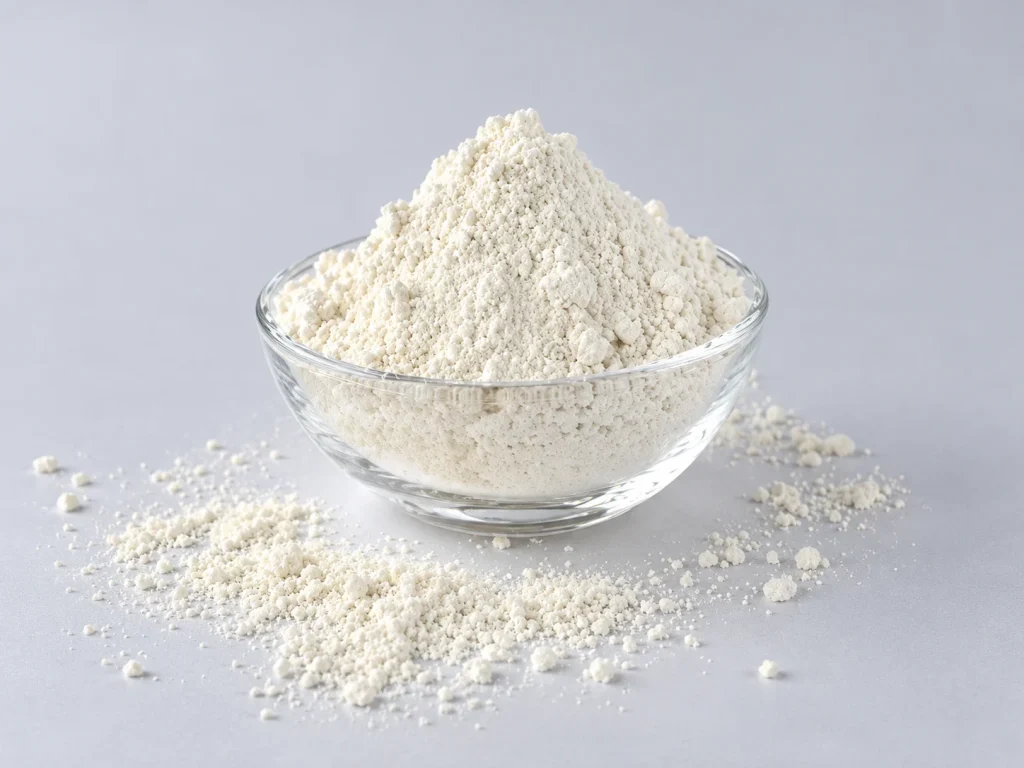
Antifungal and antibacterial agent for plastics and hot melt adhesives AEM5700-T100
It is used for anti-mould and antibacterial addition to materials such as plastics and hot-melt adhesives, and is introduced during the mixing, melting or moulding process. The dosage is recommended to be 0.5% to 1%.
View product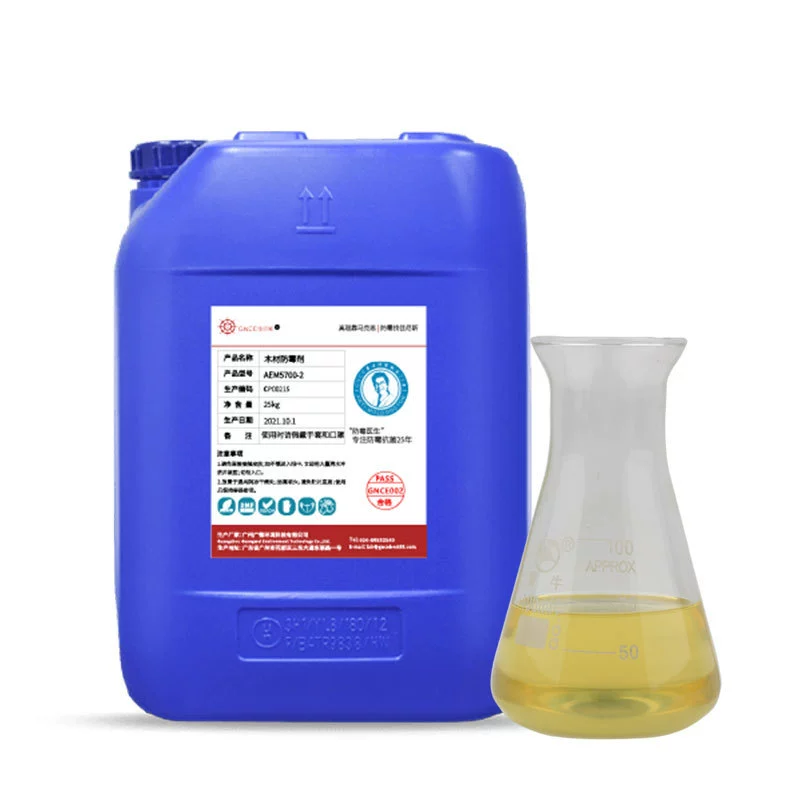
Bamboo and wood mould inhibitor AEM5700-2
It is used for soaking and anti-mould treatment of bamboo, wood and rattan, and is integrated into the processing of bamboo and wood products through liquid preparation, infiltration and drying.
View productMaterial, model and processing parameters
| Application materials and models | Processing methods and parameters | Supporting technical services |
|---|---|---|
| White latex, water-based glue/L50 | Weigh and mix during the batching stage. The amount of white latex added is 0.8% to 1%. | Formula adaptation, dispersion process, coating and bonding performance testing. |
| Paint, oily glue/AEM5700-C | The reference for oily formula is 0.5%~1%; the reference for UV varnish is 1.2%~2%. | Oily system mixing, dissolving and dispersing, film forming and curing process support. |
| Plastic, hot melt adhesive/T100 | Add during mixing or melt processing, reference is 0.5% to 1%. | Provides dispersion, moulding and part testing based on resin and processing conditions. |
| Bamboo, rattan/AEM5700-2 | Prepare the liquid and soak it. After completing the material infiltration and drying, proceed to subsequent processing. | Soaking process, end face and seam treatment, drying and appearance matching. |
| Textile fabric/O-30 | Process fabrics through finishing processes such as dipping, rolling, and drying. | Process adaptation of working solution, wet pickup, drying conditions, colour and feel. |
From technical solution to production application
Material and product selection
Engineers determine processing materials, product models, and adding or finishing routes based on the product structure and moldy parts.
Formula and process development
Develop corresponding processing suggestions and feeding parameters around adhesive mixing, plastic moulding, fabric finishing or bamboo soaking.
Sample test
Carry out anti-mould testing through treated samples and control samples, and optimize the application plan based on adhesion, colour, feel or moulding requirements.
Production process connection
Organize the model, addition amount, feeding sequence and drying requirements, and transform the technical plan into the basis for the execution of the production and packaging process.
Production mould prevention and shipping protection packages
We provide anti-mould packages from material processing to finished product shipment: adding or finishing treatment is used in the production stage, anti-mould and moisture-absorbing materials are provided in the packaging stage, and moisture-proof measures inside the container are provided in the shipping stage. The finished goods can be combined with surface treatment and packaging solutions.
Similar materials and on-site processing practices
Frequently asked questions
What is the difference between additive anti-mould and surface treatment?
Additive anti-mould components are introduced during the processing of rubber, resin or plastic; surface treatment is applied to the surface of materials or finished products. We recommend processing routes based on material structure, production stage and usage conditions, and include corresponding durability tests when friction or cleaning is involved.
How to configure anti-mould technology for composite products?
Configure products according to materials such as glue, fabric, leather, bamboo and wood, and then connect them with assembly and packaging. For example, adding glue ingredients, finishing fabrics, and soaking wood accessories can be used in the same composite product.
What support do you provide when replacing glue or resin?
We adapt to the new formula system and processing conditions, provide product models, addition amounts and mixing process suggestions, and analyze bonding, moulding, appearance and anti-mould performance through sample testing.
What technical work is included in the production of mould prevention projects?
Including risk material analysis, antifungal agent selection, formulation or finishing process development, sample antifungal testing, and packaging and shipping protection packages. Models and processing parameters are organized with corresponding projects.