
Mould proof textile fabrics
For the risk of mould in storage, transportation and use environments, arrange and deal with it in conjunction with fabric finishing.
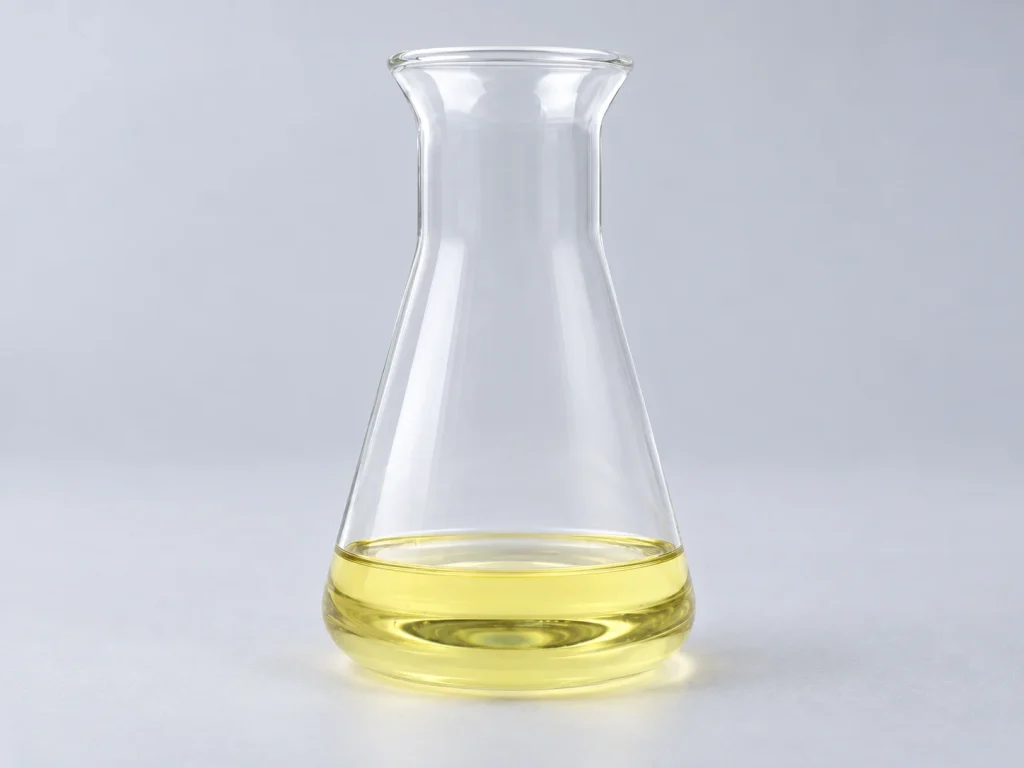
Application highlights
Textile fabric mould prevention / textile dip-bath treatment / rolling
For textiles that require both mould and antibacterial finishing. It is used in conjunction with dip-bath treatment, rolling and drying in the dyeing, finishing or styling process, and the material prevention and control requirements are implemented into the actual liquid volume, finishing conditions and sample evaluation after treatment.
Dosage reference: The absorption ratio is 3%. Engineers provide measurement and processing advice.
Discuss this product / samples Request MSDS / SDS, REACH, RoHS documentsFor textiles that require both mould and antibacterial finishing. It is used in conjunction with dip-bath treatment, rolling and drying in the dyeing, finishing or styling process, and the material prevention and control requirements are implemented into the actual liquid volume, finishing conditions and sample evaluation after treatment.
For the risk of mould in storage, transportation and use environments, arrange and deal with it in conjunction with fabric finishing.
Combining fibers, colors and finished product uses, we develop anti-mould and antibacterial finishing functions.
Pay attention to the compatibility with other finishing agents, as well as the feel and appearance after rolling and drying.
We connect the product with the existing production process, provide measurement, addition or surface treatment suggestions, and cooperate with technical work from sample preparation to trial production.
Prepare the working solution according to the fabric, existing finishing agent and wet pickup, and match the splicing and finishing process.
Wet evenly and then press or dehydrate, spray according to the corresponding application amount, and record the cloth application conditions respectively.
Compare the colour, feel and finishing function according to the drying temperature and time of the fibre and equipment.
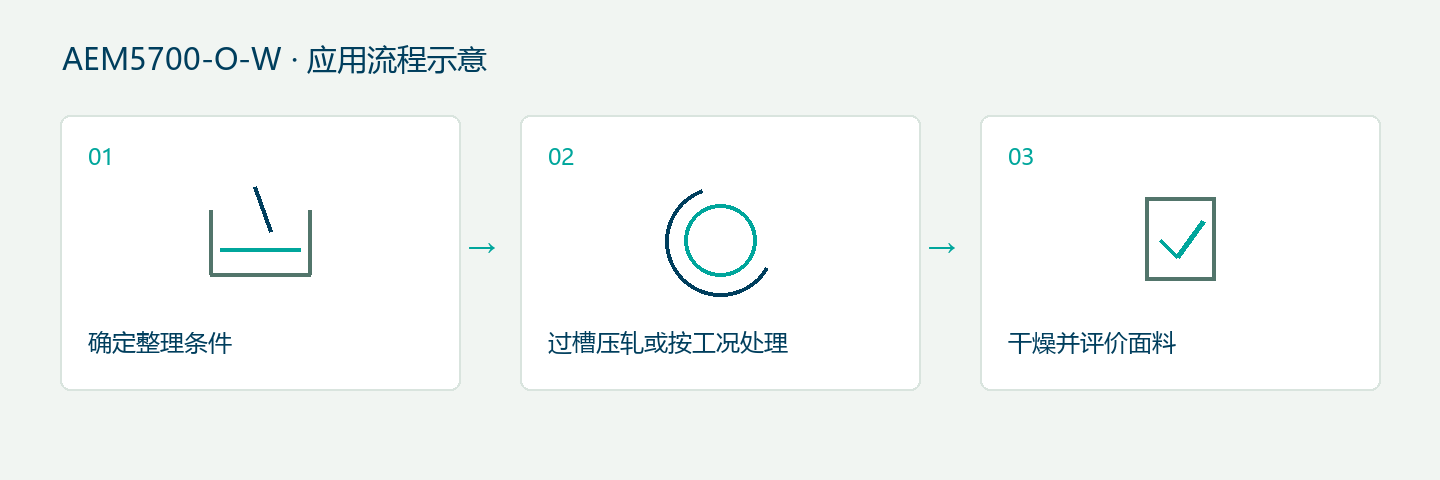
The fabric absorbs the pharmaceutical agent at a reference rate of 3%. The working solution concentration is calculated based on the actual wet pickup, and the drying process is matched with the fabric and equipment.
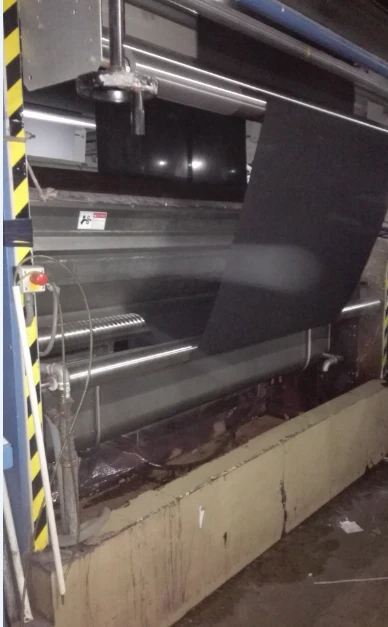
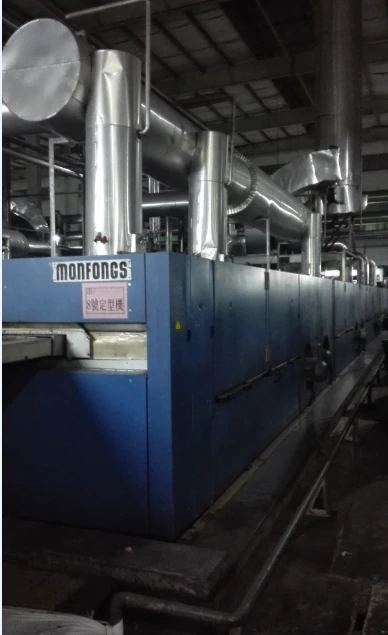
Engineers recommend products based on materials and production processes, provide processing conditions and sample preparation suggestions, supporting samples and technical information.
Safe handling, storage and transportation shall be carried out in accordance with the current product instructions and SDS, and shall be combined with on-site equipment protection and ventilation conditions.
Contact the technical team via message or phone to arrange product recommendation and sample delivery. For mould projects, engineers will conduct cause analysis based on samples, photos, and production, storage and transportation information.
Inquire about this product / send sampleWe provide relevant information about the corresponding model of MSDS / SDS, REACH, RoHS. You can apply by leaving a message on this page or calling. The technical team also answers questions about material application and export procurement information.
Handling, protective measures, storage and transport information.
Provide material information and documents for corresponding models to coordinate with the supply chain data of the target market.
Provide information on corresponding models and applicable project descriptions, and support material selection and supply chain document preparation.
Include the application and target market in your inquiry. When calling, quote model AEM5700-O-W.
The technical team provides product documents by model and coordinates material application with export procurement information.
3% represents the reference ratio of fabric absorption of chemicals, and the concentration of working solution is calculated according to the actual wet pickup after rolling. We provide dosing calculations and drying process suggestions.
For textiles that require both mould and antibacterial finishing. It is used in conjunction with dip-bath treatment, rolling and drying in the dyeing, finishing or styling process, and the material prevention and control requirements are implemented into the actual liquid volume, finishing conditions and sample evaluation after treatment.
The fabric absorbs the pharmaceutical agent as a reference at 3%. Engineers calculate the working solution based on the actual wet pickup, and evaluate the supporting dip-bath treatment, rolling, drying and finishing functions.
We provide material selection, measurement and application process services for the textile anti-mould and antibacterial finishing agent AEM5700-O-W, supporting sample preparation, appearance and corresponding function evaluation, and follow up on trial production and process adjustment.
MSDS, REACH and RoHS documentation for Textile anti-mould and antibacterial finishing agent AEM5700-O-W can be requested through the contact form on this page or by phone. Our technical team supports procurement documents for the material application and target market.
We use the information you submit for this enquiry, sample arrangements and follow-up service. Privacy notice